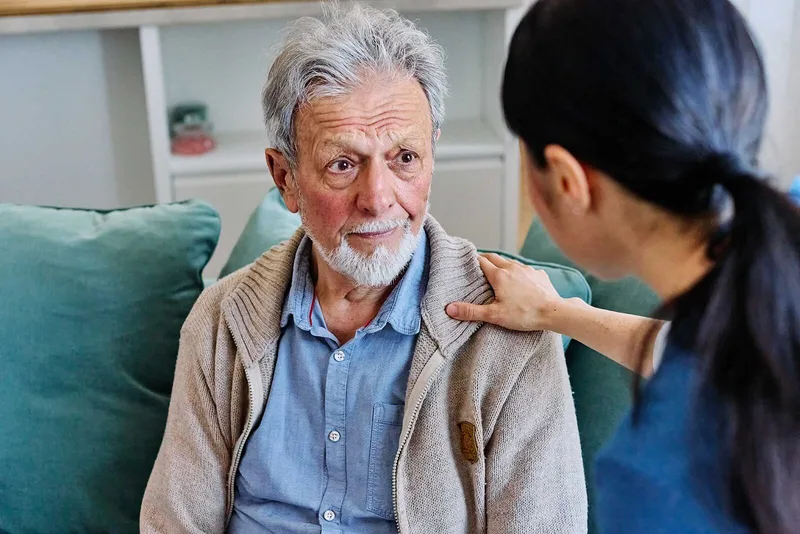
June 15th is World Elder Abuse Awareness Day, a day designed to bring attention to the thousands of adults over 60 years old who are abused, neglected, or financially exploited each year. While we often think of elder abuse in conjunction with long-term care, it can happen anywhere. Too often the abuser is a family member, caregiver, or a friend.
Elder abuse is a hard topic. It can be upsetting to think about, especially when it involves someone the older adult knows and trusts. But the more we understand it, the better chance we have to notice warning signs early and help keep people safe. Abuse is not always one big event. It can be a pattern of harm, fear, control, or neglect that builds over time.
Types of abuse include:
- Physical abuse- when someone causes physical harm, including hitting, pushing, slapping, or restraining the elderly person. It can include sexual abuse.
- Emotional abuse, occurs when the abuser says hurtful things and threatens or screams at the elderly person.
- Neglect involves refusing to meet the needs of the older adult. It may include ignoring physical, emotional, and social needs, or withholding food, medications, or access to health care.
- Financial abuse is often initiated by family members and involves the misuse of the elder’s money or property.
These types of abuse can happen alone or together. For example, an older adult may not be hit, but they may be yelled at, left alone too long, or kept from seeing friends. They may also have money taken without permission. Some people are harmed in more than one way at the same time. That is why it is important to look at the whole picture, not just one sign.
Older adults are often considered an easy target by abusers because elder adults may be disabled or may not be considered an accurate reporter. They also may suffer from dementia, be physically unable to defend themselves, or feel vulnerable enough that they won’t report the abuse. They may be afraid turning someone in to the police may result in their caregiver going to jail forcing them into a nursing home.
That fear is real for many people. An older adult may depend on the person harming them for rides, meals, medicine, or help with daily tasks. They may worry that speaking up will make life worse. They may also feel ashamed or think no one will believe them. For that reason, a calm and caring response matters. If someone tells you they are being hurt or neglected, listen, believe them, and help them think through the next step.
Signs of an elder person being abused include:
- Changes in behavior, such as becoming withdrawn or violent
- Unexplained bruises, burns, cuts, or scars
- Bedsores
- Unsafe, or unclean living conditions
- Poor hygiene
- Unexpected financial losses or unpaid bills
These signs do not always mean abuse is happening. Sometimes there may be another reason. But if you notice several signs at once, or if something just does not feel right, pay attention. Trust your instincts. A sudden change in mood, fear around a certain person, or worry about money can be a clue that more is going on.
If you are worried about an older adult, there are simple ways to help. Start by checking in privately if you can. Speak in a gentle voice. Ask open questions like, “How are things going at home?” or “Do you feel safe?” If the person seems afraid, do not confront the suspected abuser alone. Keep the older adult’s safety in mind. Write down what you saw or heard, including dates and details. That can be helpful if you need to make a report.
It can also help to look for practical risks. Is the person missing meals? Are their medications running out? Do they have fresh bruises? Are bills piling up even though money should be available? Are they being kept away from family, friends, or trusted helpers? Small problems can add up quickly when someone is being neglected or controlled.
If the older adult is in immediate danger, call 911. If the concern is not an emergency, you can still reach out for help through local adult protective services, law enforcement, or trusted community supports. You do not need to solve everything on your own. Reporting a concern can be an important step toward safety.
Preventing elder abuse also means supporting older adults before a crisis happens. That may include helping them stay connected to family, friends, faith groups, neighbors, and community services. Isolation can make abuse easier to hide. Regular contact can make it harder for harm to go unseen. Simple visits, phone calls, and shared outings can make a big difference.
Financial abuse deserves special attention. Older adults may be asked to sign papers they do not understand, hand over debit cards, or share account information. A trusted person may pressure them to change a will, give gifts, or pay “loans” that are never repaid. Encourage older adults to keep money and documents in a safe place, review bank statements, and talk with someone they trust before making big financial changes.
People with disabilities can face added risk when they age. Barriers in the community, trouble finding help, and dependence on other people for support can make it harder to leave a harmful situation. That is one reason Disability Network Lakeshore is here. We work to help people find and use disability resources, and our services are free. If you need help connecting with support, please call (616) 396-5326. We are located at 442 Century Lane, Holland, MI 49423.
Our World still has barriers for people with disabilities.
Whether you're an individual or a company, searching for disability resources is discouraging and frustrating. And when you don't have the right tools, individuals and communities suffer. Wouldn't you like to live in an inclusive community where everyone can participate, contribute, and belong?
The right resources are hard to find. We get it.
We understand how it feels to struggle to fully participate in an inaccessible community, which is why we help people find and use disability resources.
Helping others live lives less complicated by disabilities takes people and resources. Support like yours helps us continue helping others struggling to navigate disability resources. 90% of your donation goes directly into services to individuals, their families, and our community.
Make A Donation Today!
442 Century Lane
Holland, MI 49423
Services
- Advocacy
- Assistance Animals
- Information & Referral
- Peer Support
- Emergency Readiness
- Social Security Disability
- Social Participation
- Veterans
- Skills Development
- Employment
- Transition
- Nursing Home Transition
- Youth Services
About
Contact Us
The Ability Award
Blog
DNL Live
Impact Report
Satisfaction Survey
Volunteer
Privacy Policy
UCP of Michigan
Info@dnlakeshore.org
Phone: (616) 396-5326
Fax: (616) 396-3220
Office Hours:
8am-4:30pm M-F