The Americans with Disabilities Act of 1990 was created to protect individuals with disabilities from discrimination. These laws affect jobs, public transit, state and local government services, and telecommunications services.
A disability can limit opportunities to participate in the activities you enjoy, and that are important to you. The ADA provides a way of leveling out the field so individuals with disabilities can take part in community life at the same level those without disabilities.
For me, the ADA was all about accommodation. For work purposes, a reasonable accommodation is any change in the work environment or in the way things are customarily done that enables someone with a disability to enjoy employment opportunities the same as someone without a disability. As far as life enrichment goes, accommodation means adapting or adjusting an activity or a job so it’s possible for someone with a disability to participate.
That idea matters in everyday life more than many people realize. Accommodation can be simple or it can be more involved. It can mean changing a schedule, using different equipment, or asking for help in a way that lets a person keep their independence. It is not about getting special treatment. It is about removing barriers so a person can do what they need to do, or what they want to do, with the same chance to succeed.
I never thought I’d need to request accommodation, but as I got older, I found more and more activities were becoming difficult, if not impossible. When I went for cataract surgery, I never thought it would make my vision worse. When my retina detached, I was faced with surgery and an extensive recovery period. Following that, I still had difficulty seeing in the dark especially if there were reflections like when driving through a construction zone. I’ve adapted by not driving at night. If I have to go somewhere when I’ll have to stay until it gets dark outside, I ask others to drive me.
That change was not easy, but it was necessary. It is a good example of what accommodation can look like in real life. Sometimes the adjustment is something a person does for themself. Sometimes it is something they ask others to do. In either case, the goal is the same: keep participating in life as fully as possible. For me, that has meant planning ahead, knowing my limits, and being honest about what I can and cannot do safely.
I managed to get by at work for a while without having to drive in the dark, but eventually I was asked to participate in an activity that would mean going home in the evening, and I requested accommodation. My employers were quick to understand and reacted positively to the request.
That kind of response can make a big difference. When an employer listens and works with a worker, it opens the door to continued employment and full participation. It also shows respect. Not every employer responds that way, which is why the ADA matters so much. These laws help make sure people are not left out just because of a disability. They help create a fair chance to stay on the job and keep contributing.
This meant that I could take part in activities that were important to me which without the ADA might not have been possible. Yes, I am fortunate in that my employers are very sensitive to the needs of those with disabilities, where other employers may not be as accommodating. These laws are designed to ensure all businesses are just as considerate.
When people understand the purpose of accommodation, they can often find workable solutions. A person may need written instructions, extra time, a different work space, or help with transportation. A business may need to look at a task in a new way. Small changes can make a large difference. For someone with a disability, those changes can mean keeping a job, joining a group, or doing something meaningful without putting health or safety at risk.
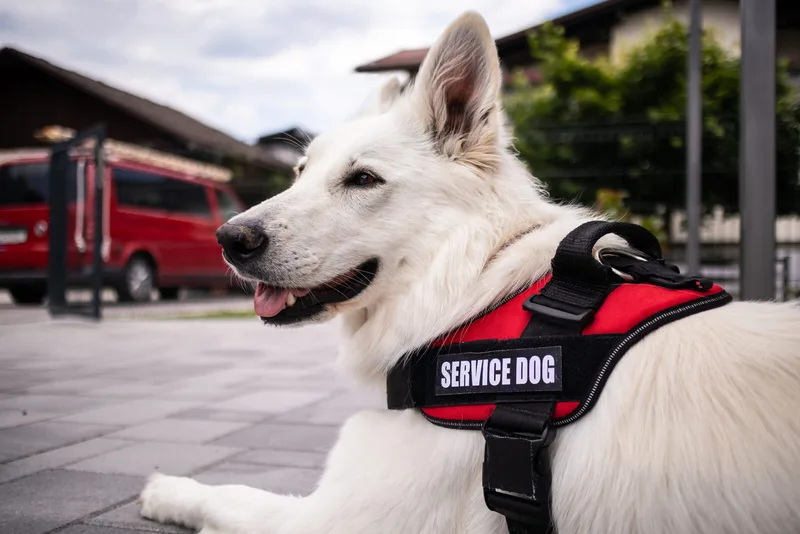
As a dog trainer, I have seen many individuals who wanted a dog to help them cope with their disability. Unfortunately, they could not afford to purchase a trained dog. The ADA clarified the laws surrounding service animals and supported people training their own dog. The ADA addresses what questions may be asked about the dog, allowing the handler to maintain his or her dignity and not have to divulge what that disability is.
That protection matters. Many people already feel nervous when they go into public spaces with a service animal. Clear rules help reduce stress. They also help others understand that service animals are working animals, not pets. When the law is clear, it is easier for handlers to focus on the task at hand instead of having to explain personal medical details.
With the support of the ADA laws, individuals who were struggling to cope with their disability can now train their own service dog. These dogs not only make life better for their handlers, but in some cases they actually save lives. They can be trained to open doors that allow their handler to take part in activities that enrich life. Without them, life is not just more difficult, but it’s more barren.
There are many practical ways a service dog can help a handler stay active and independent. They can support daily routines, help with access, and give a person more confidence when moving through the world. The important thing is that the dog and handler work together in a way that fits the person’s real needs. That kind of support can change a person’s day, and sometimes their whole life.
There are so many ways the ADA shapes life for the better for those who have a disability. The ADA made life better for people with disabilities. These laws exist to give those with disabilities a chance to take part in the activities they value, and to participate in a life that is inclusive and worth living.
I believe that is what the ADA is really about. It is about fairness. It is about access. It is about being able to work, travel, join in, and be treated with dignity. It is also about understanding that disability does not mean a person should be shut out of community life. With the right support, people can keep learning, working, volunteering, and enjoying the things that matter most.
Our World still has barriers for people with disabilities.
Whether you're an individual or a company, searching for disability resources is discouraging and frustrating. And when you don't have the right tools, individuals and communities suffer. Wouldn't you like to live in an inclusive community where everyone can participate, contribute, and belong?
Barriers can be physical, like stairs or narrow doors. They can also be less visible, like unclear rules, limited information, or a process that is hard to follow. That is why it helps to ask questions, plan ahead, and reach out for support when needed. If you are dealing with a barrier at work, in the community, or in daily life, you do not have to figure it out alone.
DNL can help people find disability resources and use them. Our services are free. If you need support, call (616) 396-5326. We work with people in Ottawa and Allegan counties, and we can help you look at your options and take the next step.
The right resources are hard to find. We get it.
We understand how it feels to struggle to fully participate in an inaccessible community, which is why we help people find and use disability resources.
Sometimes the hardest part is knowing where to begin. A person may need help with advocacy, information and referral, peer support, skills development, or transition. They may need help related to assistance animals, emergency readiness, Social Security Disability, social participation, veterans, employment, nursing home transition, or youth services. It can be a lot to sort through on your own. A simple conversation can make the path clearer.
If you are unsure what to ask for, start with the problem you are facing. Are you trying to keep a job? Are you looking for a service animal question answer? Do you need help finding your way through a change in health, housing, or daily living? The right support often starts with one honest question.
Donate Today To Make a Difference!
Helping others live lives less complicated by disabilities takes people and resources. Support like yours helps us continue helping others struggling to navigate disability resources. 90% of your donation goes directly into services to individuals, their families, and our community.
Make A Donation Today!
442 Century Lane
Holland, MI 49423
Services
- Advocacy
- Assistance Animals
- Information & Referral
- Peer Support
- Emergency Readiness
- Social Security Disability
- Social Participation
- Veterans
- Skills Development
- Employment
- Transition
- Nursing Home Transition
- Youth Services
About
Contact Us
The Ability Award
Blog
DNL Live
Impact Report
Satisfaction Survey
Volunteer
Privacy Policy
UCP of Michigan
Info@dnlakeshore.org
Phone: (616) 396-5326
Fax: (616) 396-3220
Office Hours:
8am-4:30pm M-F
442 Century Lane
Holland, MI 49423
Services
Advocacy
Assistance Animals
Information & Referral
Peer Support
Emergency Readiness
Social Security Disability
Social Participation
Veterans
Skills Development
Employment
Transition
Nursing Home Transition
Youth Services
About
Contact Us
The Ability Award
Blog
DNL Live
Satisfaction Survey
Volunteer
Office Hours: 8am-4:30pm M-F
Privacy Policy
UCP of Michigan
Info@dnlakeshore.org
Phone: (616) 396-5326
Fax: (616) 396-3220