
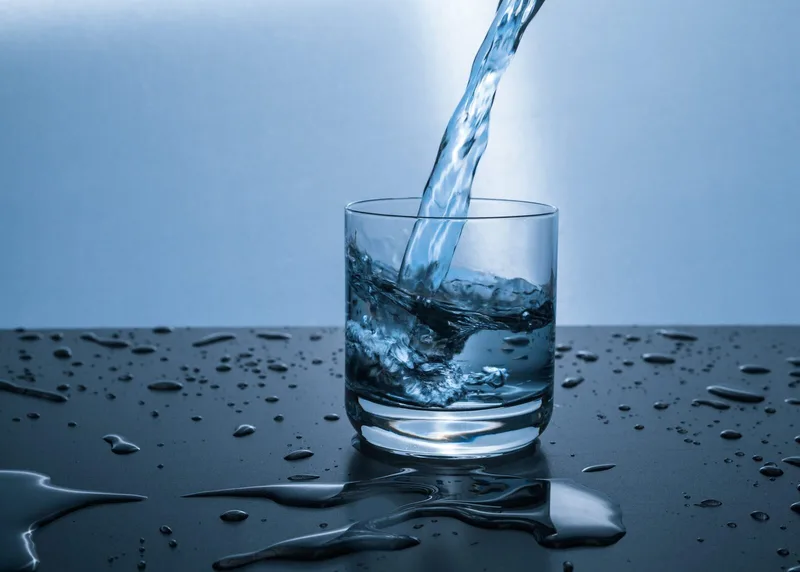
When I think about managing to survive following a disaster, one of my greatest concerns is finding water. From the troubled times I’ve already lived through, like fire and power failures, I know that having water is one of my main concerns. If you don’t have a way of getting into your own well or water system, you need to have a pond, stream, or another source of water on your property.
Water is easy to take for granted. We turn on a tap every day and expect it to work. We use water to drink, cook, wash, flush, and clean up after hard jobs. When a disaster hits, that simple part of life can stop fast. Then you see how much you depend on it. That is why I keep thinking ahead. A plan for water is not a luxury. It is a need.
At my home, I have a well, but it’s powered by an in-ground electrical pump. When the power fails, the pump shuts down and we have no water to drink, flush, or wash with. That certainly creates problems. No water means you cannot even do the most basic things. You may not be able to make a cup of coffee, clean a wound, or keep a bathroom working. It also makes it harder to stay calm, because every small task turns into a bigger one.
I was fortunate when we had our fire that I had water stored in the house and that kept us going until friends stopped by with more and we finally got our power turned back on. Without it, we would have suffered much more than we did…and the suffering we did was enough without anything more being added on. That experience taught me a hard lesson. A little planning before an emergency can save you from a lot of trouble during one.
Stored water can be as simple as a few clean jugs or bottles kept in a safe place. If you use containers for emergency water, make sure they are clean and closed tight. Keep them where you can reach them. If you have trouble lifting heavy items, choose smaller containers so they are easier to carry and use. If you have limited space, store water under beds, in closets, or on low shelves that are easy to get to. Think about what you could manage if the lights were out and you were tired or scared.
It also helps to think about how much water you use in a day. Drinking is the first thing people think of, but there are other needs too. Water is needed for:
- Drinking
- Preparing food
- Flushing a toilet
- Cleaning hands and face
- Basic washing
If you use a wheelchair, walker, or other equipment, you may need extra water for cleaning and care. If you take medicines that need water, that matters too. If you have pets, they need water as well. All of that adds up. A water plan should fit your daily life, not someone else’s idea of what you need.
As I contemplate moving to a new home where my water source will be city water, I will have to revamp my entire plan for ensuring I have the water I’ll need following a disaster. I’m not sure what my plan will look like yet, as I’m just starting to put it together, and I haven’t moved yet and don’t know exactly where I’ll be or what I’ll be facing. I know I will want a dependable source of water though wherever I’ll be. A new plan is something I need to begin crafting very soon as I don’t want to move without one. I’ve lived through disaster, and if it strikes again, I plan to live through it again!
That is where planning becomes important. If city water is your source, think about what happens if service stops. If you live in an apartment, you may not be able to store large amounts, but you can still keep some water on hand. If you have room, keep enough to get through a few days. If you do not have room, keep what you can and make a refill plan. Know where you could get more if you had to leave home. A plan does not have to be perfect. It just needs to be ready enough to help you start.
It can also help to write down your water plan. Keep it in a place where you can find it fast. You might include:
- Where your water is stored
- How much you have
- Who can help you get more if needed
- What containers you will use
- What you will do if the power or water goes out
If your disability affects memory, focus, or stress, writing things down can make a big difference. Emergencies are hard on everyone. A simple list can help you stay on track when your mind is full.
It is also wise to think about what you would do in different kinds of trouble. A power outage may be short, or it may last longer than you expect. A fire, flood, or other disaster may force you out of your home. In each case, water may become harder to find. A backup plan can include bottled water, a safe source on your property, or a way to get to someone else’s home if needed. If you rely on others for help, talk with them ahead of time so they know your needs.
Another thing to consider is access. Water does not help much if you cannot reach it. If a container is too heavy, too high, or too far away, it may not be useful in an emergency. Try to store water in places that make sense for your body and your home. If opening a tight cap is hard, choose containers that are easier to open. If bending is hard, avoid storing everything on the floor. Small changes like these can make a big difference when things are stressful.
You may also want to include water in your larger emergency plan. Water connects to many other parts of disaster readiness. If you have water, you can stay cleaner, handle waste better, and feel more comfortable. That can help you think more clearly and make better choices. When water is missing, everything else gets harder.
If you are working on your own plan and do not know where to begin, DNL may be able to help. Disability Network Lakeshore is a Center for Independent Living, and our services are free. We help people with disabilities think through problems like emergency readiness and other parts of independent living. You can reach us at (616) 396-5326. Sometimes a conversation with someone who understands disability-related needs can make planning feel less overwhelming.
I know I will want a dependable source of water though wherever I’ll be. That part has not changed for me. Water is one of those things that seems small until you do not have it. Then it becomes very clear how important it is. So I keep thinking ahead, because I do not want to be caught without a plan. I have lived through disaster before, and I intend to be ready if I face it again.