
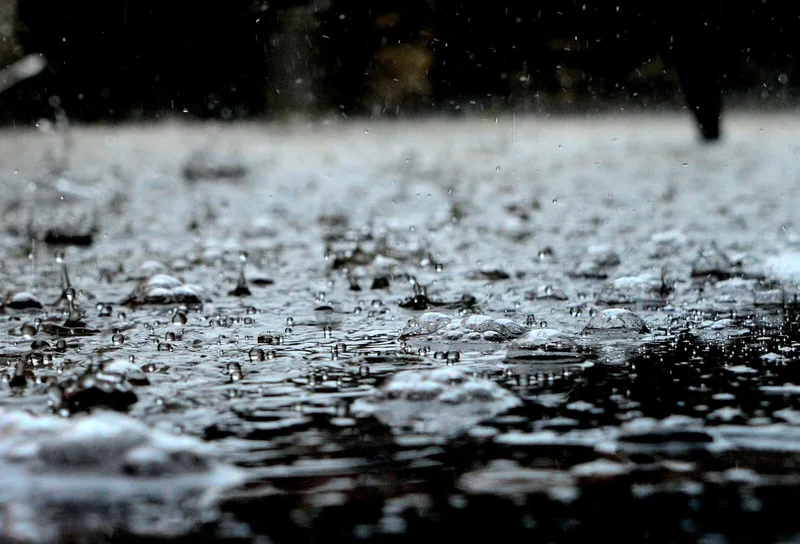
We had some pretty nasty storms this week, with rain coming down sideways several times when I looked. Of course, trees came down too and the electricity to my home went out. It’s been off now to two days and I keep getting text messages saying it will be back on shortly. Each time the list the approximate hour it will return, and each time that hour comes and goes with no electricity.
I’m glad to say, I’ve taken precautions to ensure we have enough water to get by a few days. We live in a society where almost anything we want can be had instantly, but sometimes that is not the case. I don’t blame the electric company- overall they do a great job and I take having running water in my house for granted. But I remember when some members of my family did not have running water in the home (yes, I’m that old). My father brought water into his parent’s home and they were so thrilled…and it was only a hand pump in the kitchen so they had water in the house, not even hot water. I, on the other hand, grew up with hot and cold running water in my home whenever I wanted it. I know how fortunate I am!
Why I Keep Water on Hand
I keep bottled water on hand for the event of a power failure. When the power goes out, the pump to my well shuts down and there is no water in the house except what I’ve put by for an emergency. I keep freshwater in bottles under the counter by the sink, and buckets filled with water for the dogs tucked in corners. I change the buckets and freshen the water every 3 months. I do it for occasions like this. I don’t like the idea of it being summer, in the high 80s, and the dogs having no water. It’s a situation I must prepare for, so it’s a part of my emergency preparedness plan.
This kind of plan does not need to be fancy. It just needs to work for your home and your needs. If you have a well, like I do, you may lose water when the power goes out. If you live in an apartment or use city water, you may still want water stored in case you cannot leave home or stores are closed. A small amount set aside ahead of time can make a hard day easier.
It helps to think about the people and animals in your home. Water is not just for drinking. You may need it for:
- Drinking
- Taking medicine
- Making formula or special drinks
- Pets
- Basic cleaning
- Keeping cool in hot weather
If you use bottled water, keep it where you can reach it easily. If lifting is hard, use smaller bottles instead of big ones. Put some near the sink, in a closet, or another spot that stays cool and dry. If you use buckets or larger containers, make sure they are clean and covered. Label them with the date you filled them so you remember when to change them.
I change the water every 3 months. That is a simple habit, but it matters. Water can sit for a while, but it should still be checked and refreshed. If you are making your own emergency plan, try to set a reminder on your calendar or phone so you do not forget. You can also check your supplies when the seasons change. That makes it easier to remember.
Simple Emergency Prep Can Go a Long Way
Making a plan doesn’t take a lot of effort, but it sure is worth it in the end! While I pray I won’t need the things I’ve set aside, I’m sure glad I have them when situations like this occur. An ounce of prevention, you know?
That is true for water, and it is true for other parts of emergency readiness too. It is much easier to prepare on a calm day than to try to figure things out in the middle of a storm, a power outage, or a heat wave. A few small steps now can save worry later.
Here are a few practical ideas that may help:
- Keep water where you can get to it without digging through boxes.
- Store a few days’ worth of water if you can.
- Think about pets, medicine, and any special health needs.
- Keep a flashlight close by so you can find supplies in the dark.
- Write down the date you checked your water and other supplies.
- Look at your plan before storm season or before bad weather is expected.
If carrying water, opening bottles, or moving buckets is hard for you, try to make the plan fit your body and your home. Ask a family member, friend, neighbor, or helper to assist with setting things up. The goal is not to do everything at once. The goal is to be ready in a way that works for you.
Remember Your Support Is There
At Disability Network Lakeshore, we know that emergency planning can feel like one more thing on a long list. It can help to talk it through with someone who understands disability-related needs. DNL can help with free services, including peer support, information and referral, and emergency readiness. If you want to talk about planning for power outages, water needs, or other concerns, call us at (616) 396-5326. We are located at 442 Century Lane, Holland, MI 49423.
We help people in Ottawa and Allegan counties learn skills, find resources, and build plans that fit their lives. Sometimes a short conversation can make a big difference. If you are not sure where to start, start small. Water is a good first step.
I am grateful for what I have, even when the lights are out and the waiting gets old. I know how lucky I am to have water in my home, even if I have to plan ahead for it. Not everyone has always had that, and not everyone has it now. That is why I keep my emergency supplies ready. I may not control the weather, but I can be ready for it.