
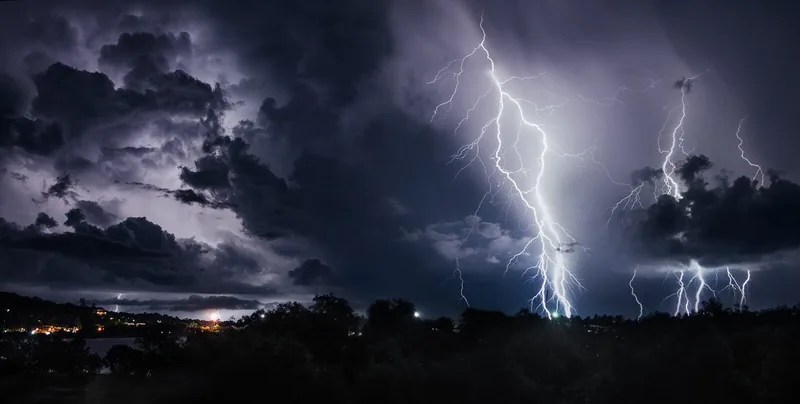
Last night we had quite a storm! I woke many times to the sound of thunder and the flash of lightning. When that happens, I often think about how blessed I am to be inside, comfortable, and safe. Lightning is the leading cause of death from weather-related hazards.
Thunderstorms can feel loud, sudden, and a little scary. They can move in fast, and sometimes they bring more than thunder and lightning. In addition to lightning, thunderstorms often include damaging winds and may include hail or even a tornado. That is why I think it helps to be ready before the storm starts.
Get ready before the storm
Having a weather radio on hand will help, especially if you set it to sound an alert when the National Weather Service issues a warning. That kind of warning can give you more time to act. It can help you decide whether to stay put, move to a safer room, or leave for another place if you need to.
Having a plan for what you’ll do and where you’ll go during a bad storm is also a way of planning ahead. A good plan does not need to be fancy. It just needs to be clear. Think through the steps now, when the weather is calm, so you do not have to guess in the middle of a storm.
For example, you may want to know:
- Which room in your home is safest during a storm
- Where your flashlight is kept
- How you will hear weather alerts
- Who you can call if you need help
- Whether you need to leave home and go somewhere safer
If you use a wheelchair, walker, cane, oxygen, or another device, make sure your plan fits your needs. If you need medication or other items, keep them in a place that is easy to reach. If you have pets or service animals, plan for them too.
My own storm plan
I have an emergency plan that includes what to do during a thunderstorm. Because I live in a house trailer, I’m concerned about not only my safety but the safety of my two dogs. If a thunderstorm warning is issued, I am prepared to leave my home to go to a friend’s house where we have a better chance of getting through without injury. That is part of my plan, and I am glad to have it ready before I need it.
If you live in a place that may not be as sturdy in high winds, it is smart to think about that ahead of time too. It is much easier to make a choice before the rain starts pouring and the wind begins to shake the house. Knowing where you can go can lower stress in a big way.
As I listened to the wind blowing last night, it reminded me that it’s time to trim the tree in my backyard as it’s hanging over the roof of my home and if the wind blows hard enough, it could knock the shingles off the roof. That’s now on my project list for this weekend.
That is a good reminder for all of us. Look around your home before storm season gets worse. Are there tree limbs close to the house? Are loose items outside that could blow around? Things like lawn chairs, trash cans, and plant pots can turn into problems if the wind gets strong. Taking a few minutes to secure them can help prevent damage and injury.
Protect your home and electronics
I have surge protectors on most of my expensive appliances, so they won’t be damaged if the power goes out and comes back on with a bang. I know enough to avoid using electronic equipment plugged into an electrical outlet during a storm. I also try to take the time to carefully check for downed power lines when I first go out after the storm.
Those are simple but important steps. A surge protector can help guard against a sudden jolt of electricity when power returns. It is not a promise that nothing will happen, but it can add another layer of protection. If you have a computer, television, or other costly item, it may be worth checking whether it is plugged into one.
During a storm, it is wise to stay away from corded phones, plugged-in computers, and other electrical items. Even if the storm seems to be moving past, lightning can still strike nearby. Waiting until the storm fully passes is the safer choice.
After the storm, I also take care when I step outside. Downed power lines can be hard to see, especially if it is dark or wet. I try to look carefully before I move around the yard or street. If I see a power line down, I stay away from it and make sure others do too.
Small steps can make a big difference
Storm safety is about reducing risk. It is about making smart choices before, during, and after the weather gets bad. You do not have to do everything at once. Start with one step. Maybe you make a plan. Maybe you buy a weather radio. Maybe you move a few things away from the window. Each step helps.
It can also help to talk with the people in your life about your plan. Let family, friends, neighbors, or caregivers know what you will do if a warning is issued. If you might need a ride, ask about that ahead of time. If you need help making a plan that works for your disability, your home, or your pets, getting support now can save time and stress later.
I plan to stay safe and reduce my risk when storms are raging. I hope you’ll consider designing your own plan. If you need help, Disability Network Lakeshore can help you design your plan, and there is no charge for this service. Contact us at 616.396.5326. We serve people with disabilities in Ottawa and Allegan counties, and our services are free. Stay safe!