
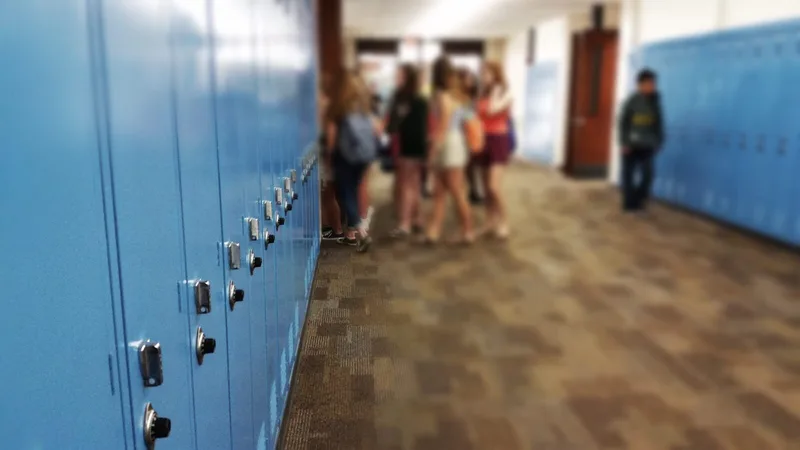
It’s almost time to head back to school! Parents are buying school supplies and new clothes. Children are making the most of their last days of freedom before they get back to the grind, but no matter what school looks like this year, it would be a good idea to make some plans in advance to stay safe and healthy.
This school year may still feel uncertain. Classes are likely going to be “in-person” again, yet they may look different from what is expected. Masks and social distancing might once again be part of the plan. There may be other health measures in place too. That can be hard for kids, and it can be hard for parents as well. A little planning now can help everyone feel more ready when the first school day comes.
Start with simple health habits
FEMA has offered some tips for starting school safely this year. One of the best things children can do is wash their hands often while at school. Hand washing helps lower the chance of getting the flu, colds, and COVID-19. It is a simple step, but it matters.
It can help to practice hand washing at home before school starts. Show your child how to use soap and water and wash for long enough. Singing the “Happy Birthday” song twice ensures they’ve rinsed all the germs away. Kids often remember songs better than rules, so this is an easy way to make the habit stick.
If the school will allow it, add a small bottle of hand sanitizer to your child’s backpack. That can be useful when a sink is not nearby. A few extra tissues, a spare face mask, or a small zip bag for used items may also help keep a backpack organized. If your child has allergies or a health need, check with the school about what can be sent along.
It is also a good idea to talk about staying healthy in plain words. Remind your child not to share drinks, food, or items that go in their mouth. Teach them to cough or sneeze into their elbow. These small steps can help limit the spread of germs.
Know the school’s emergency plan
Make sure you know what the emergency plan is for your child’s school and that your child is familiar with it as well. This is important every year, but it matters even more when school routines change. Ask the school how students are guided during a fire, tornado, lock down, or other emergency. If your child needs extra help, ask how that support will work.
It can help to walk through the plan with your child in simple terms. For example, you might say, “If the alarm sounds, you line up with your class and follow your teacher.” Or, “If there is a tornado drill, you go to the safe place in the building.” Kids do better when they know what to expect.
If your child uses assistive technology or other support items at school, think about how those items will be handled in an emergency. A communication device, hearing aid, walker, cane, or other important tool should be part of the safety plan. If possible, ask who will help your child gather or protect those items if there is a quick evacuation.
Make a family plan before school begins
Review your own family emergency plan with your children before school begins, and let them carry a copy of it with them in their backpacks. The plan should have listed the location of the gathering place where you’ll meet after a disaster. Having it written down will ensure that there are no misunderstandings should a disaster occur.
A family plan does not need to be fancy. It just needs to be clear. Write down the names of the adults in charge, the best phone numbers to use, and where everyone should go if you cannot get home right away. If your child is old enough, talk about what to do if phones do not work. If your child is younger, keep the plan short and easy to follow.
It can help to practice the plan more than once. Try it at home, in the yard, or on the way to school. Practice makes the steps feel familiar. That can lower fear in an emergency and help your child respond faster.
DNL would like to suggest that if your child uses any assistive technology items in school, you clearly label them so they don’t get misplaced or lost in an emergency. This is a very practical step. A simple label with the child’s name, school, and grade can help staff return an item more quickly. It can also help if the item is placed in a shared area or moved during an emergency.
Make sure your child has the phone numbers where you can be reached while at work, and should a disaster occur, what their responsibilities are. A child does not need a lot of detail, but they do need a clear job. For example, they may need to follow directions from a teacher, stay with the class, or go to the meeting place after school. When children know their role, they are less likely to panic.
Help your child feel ready
Back-to-school time can bring worry, even in a normal year. This year may bring even more questions. Children may wonder if they will wear masks all day, if they can sit near friends, or what to do if someone gets sick. Parents may worry about health, school rules, and safety plans. These feelings are normal.
One way to help is to keep your talks calm and clear. Answer questions honestly, but in simple words. If you do not know an answer, say so and tell your child you will find out. That builds trust. It also shows your child that it is okay not to know everything right away.
For some children, pictures, checklists, or short practice runs can make a big difference. You might make a small morning checklist for school days. You might also practice the route to school, the drop-off line, or the way to a classroom. Small pieces of practice can make the whole day feel less stressful.
If your child has a disability, school planning may take a little extra time. That is okay. Ask questions. Share what works best for your child. Make sure staff know about your child’s needs before problems come up. Good planning can make school safer and smoother for everyone.
We can help
This school year, let’s make sure our kids are protected and stay safe and healthy! For more information on designing an emergency preparedness plan, please contact Disability Network Lakeshore at 616-396-5326. DNL serves people with disabilities in Ottawa and Allegan counties, and our services are free. We can help with planning, problem solving, and finding supports that fit your family’s needs.
Our office is located at 442 Century Lane, Holland, MI 49423. If you have questions about emergency readiness or other disability-related needs, please reach out. A little planning now can make a big difference later.