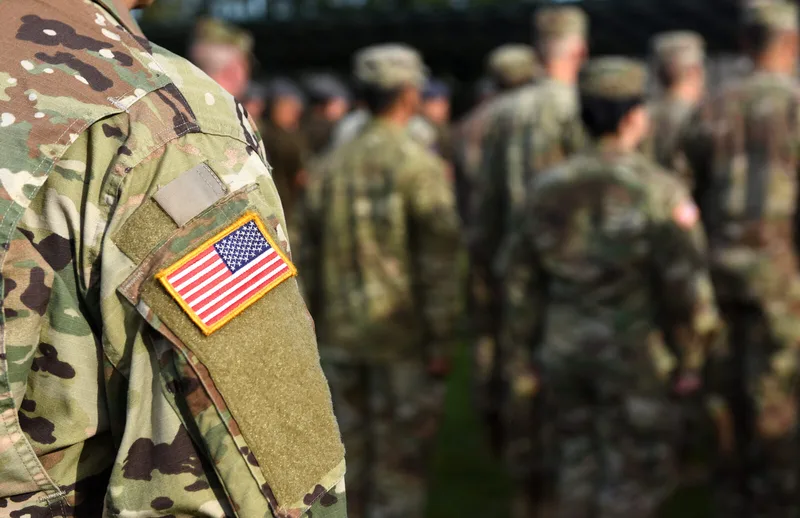
The Pact Act was signed into law on August 10, 2022. Its’ purpose is to expand health benefits provided by the VA to veterans who were exposed to burn pits and toxic substances while serving in Vietnam, the Gulf War, and Post-9/11.
The Pact Act increased the list of presumptive conditions considered automatically deserving of benefit coverage. That means the Act expands eligibility for VA health care for those veterans who were exposed to toxic substances while serving. In plain terms, some health problems are now easier to connect to military service. That can make the claims process less confusing for veterans and their families.
Each veteran who enrolls in the program will be screened for toxic exposure when they first enroll, and then every 5 years after that. The Act also provides for additional training for VA health care staff and claims processors and will follow veterans to monitor mortality rates and rates of cancer development. These steps are meant to help VA staff ask the right questions, spot possible exposure concerns sooner, and better understand long-term health effects.
If you are a veteran or you help a veteran, it can be useful to gather any records you have before you apply. That may include discharge papers, service records, old medical records, or notes about where and when the veteran served. It can also help to write down symptoms and the first time they were noticed. Even small details can help tell the story of service and health changes over time.
Toxic exposure includes:
- Air pollutants from burn pits, oil well fires, sulfur fire, sand, dust, and particulate matter
- Chemicals like Agent Orange or other herbicides, burn pits, Camp Lejeune water supplies, pesticides, depleted uranium, chromium, or industrial solvents
- Radiation from nuclear weapons test sites, x-rays, or depleted uranium
- Warfare Agents like chemicals, nerve agents, mustard gas, herbicide tests, and storage
- Occupational Hazards like asbestos, lead, fuels, industrial solvents, radiation, vibration, noise, special paint on military vehicles, and some coolants or insulating fluids
Some of these hazards may be easy to recognize, and some may not. For example, a veteran may remember burn pits or heavy dust, but not know those exposures can affect health years later. Another veteran may not think of work around solvents, fuels, or loud machinery as an exposure issue. The Act helps bring those hidden risks into the open.
The Pact Act increases health care eligibility to veterans who participated in toxic exposure risk activities while on active duty, active duty for training, or inactive duty training. It also applies to veterans who were assigned to a duty station in certain locations on or after August 2, 1990, in Bahrain, Iraq, Kuwait, Oman, Qatar, Saudi Arabis, Somalia, or the United Arab Emirates, and to those who served on or after September 11, 2001, in Afghanistan, Djibouti, Egypt, Jordan, Lebanon, Syria, Yemen, Uzbekistan, or any other country determined relevant by VA.
Also covered are veterans of Operation Enduring Freedom, Operation Freedom’s Sentinel, Operation Iraqi Freedom, Operation New Dawn, Operation Inherent Resolve, or Resolute Support Mission.
If you are not sure whether service in one of these places or missions applies to you, it is still worth asking. A veteran does not need to guess alone. A good next step is to contact the VA, review service records, or ask for help from a trusted advocate. If someone has trouble reading forms, using a computer, or organizing papers, breaking the task into small steps can make it easier:
- Find military discharge papers, if available.
- Write down where the veteran served and the dates served.
- List health concerns that may be linked to service.
- Submit the application and keep a copy.
- Follow up if there is no answer or if more information is needed.
Veterans who believe they qualify for these benefits can apply online at: VA.gov/health-care/apply/application/introduction
Or by calling the toll-free hotline at 877-222-8387. You may also mail a completed application to the VA, or bring it to the nearest VA Medical Center or clinic.
If a veteran needs help getting organized, understanding a letter, or figuring out what to do next, that support matters. Disability Network Lakeshore can help with disability-related questions and referrals, and our services are free. You can call us at (616) 396-5326. We serve people with disabilities in Ottawa and Allegan counties, and we work to help people move through systems that can feel hard to use.
U.S. Department of Veterans Affairs, “2022 PACT ACT: Understanding Health Care Eligibility and Benefits.”
Our World still has barriers for people with disabilities.
Whether you're an individual or a company, searching for disability resources is discouraging and frustrating. And when you don't have the right tools, individuals and communities suffer. Wouldn't you like to live in an inclusive community where everyone can participate, contribute, and belong?
The right resources are hard to find. We get it.
We understand how it feels to struggle to fully participate in an inaccessible community, which is why we help people find and use disability resources. Sometimes the hardest part is knowing where to begin. Other times it is reading forms, making phone calls, or understanding what services are available. We listen, and we help people take the next step.
Donate Today To Make a Difference!
Helping others live lives less complicated by disabilities takes people and resources. Support like yours helps us continue helping others struggling to navigate disability resources. 90% of your donation goes directly into services to individuals, their families, and our community.
Make A Donation Today!
442 Century Lane
Holland, MI 49423
Services
- Advocacy
- Assistance Animals
- Information & Referral
- Peer Support
- Emergency Readiness
- Social Security Disability
- Social Participation
- Veterans
- Skills Development
- Employment
- Transition
- Nursing Home Transition
- Youth Services
Events
About
Contact Us
The Ability Award
Blog
DNL Live
Impact Report
Satisfaction Survey
Volunteer
Privacy Policy
UCP of Michigan
Info@dnlakeshore.org
Phone: (616) 396-5326
Fax: (616) 396-3220
Office Hours:
8am-4:30pm M-F
442 Century Lane
Holland, MI 49423
Services
Advocacy
Assistance Animals
Information & Referral
Peer Support
Emergency Readiness
Social Security Disability
Social Participation
Veterans
Skills Development
Employment
Transition
Nursing Home Transition
Youth Services
About
Contact Us
The Ability Award
Blog
DNL Live
Satisfaction Survey
Volunteer
Office Hours: 8am-4:30pm M-F
Privacy Policy
UCP of Michigan
Info@dnlakeshore.org
Phone: (616) 396-5326
Fax: (616) 396-3220
Disability Network Lakeshore is a Non-Profit 501(c)(3) Charitable Organization. © Copyright 2026 | Guide MKTG