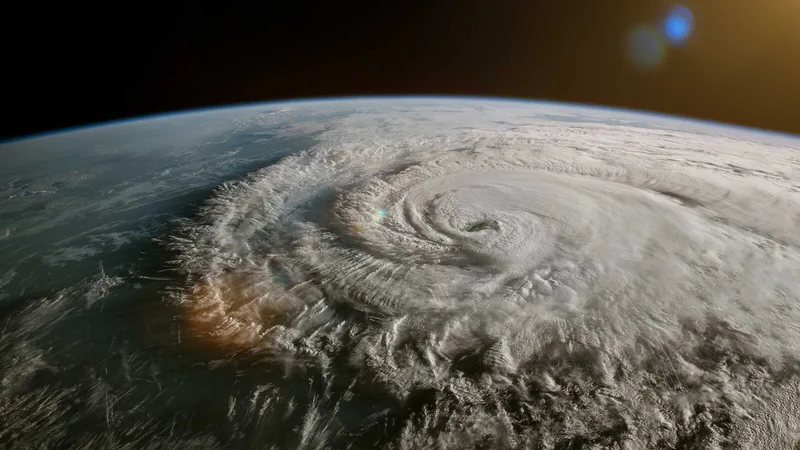
Today, in an email from the White House Office of Public Engagement, I found a list of what’s being done in Florida to prepare for the arrival of Hurricane Milton and Hurricane Helene. The government is acting prior to landfall and that just delights me!
I know many people think the government will save them if disaster strikes and I believe they will do the best they can. The problem, of course, is that if it’s a widespread disaster they might not be able to get to everyone immediately. Preparing ahead of time limits casualties and gets resources into the hands of those who need them most in the fastest way possible. When help is already on the way, people do not have to wait as long for food, shelter, rides, or other support.
On first thought, it might seem wasteful to try to predict where resources will need to be distributed and that it’s taking a risk getting those resources out before the hurricanes hit. Knowing how powerful these storms are and their likely paths though, it just makes sense to have help ready and waiting. A storm can change quickly. Roads can flood fast. Power can go out. If people wait too long, they may not be able to leave safely or get the supplies they need.
There are lists of public evacuation sites available so you can check by zip code where you can go, and not just regular sites, but where you can take your pets or where to go if you need assistance. That matters because many people will not leave if they cannot bring a pet, and some people need extra support to travel safely. The government made a deal with uber and with the local public transportation systems to cover the cost of assisting those who’ll need a ride to evacuate centers. That kind of planning removes one more barrier for people who do not drive, cannot drive, or cannot afford a last-minute trip out of danger.
The State of Florida has also activated an information line where residents can call to be connected to the resources they need. They have people answering those lines that speak English, Spanish and Creole. That is important because when a storm is coming, people need clear answers fast. A person should be able to ask where to go, what to bring, and how to get help in a language they understand.
You’ll find lists of actions you can take to prepare for the hurricanes and live updates on what’s happening, including emergency alerts. Those updates can help people make good choices before conditions get worse. If you are told to leave, it is much safer to go early than to wait until the roads are packed or the weather turns dangerous. It is also smart to keep a phone charged and to save emergency numbers in advance.
And, finally, there are lists of recovery resources available through FEMA, instructions for applying for FEMA disaster assistance and small business loans to offset the effects of the hurricanes. That’s more in the way of advanced preparation than I’ve ever seen before! Recovery can be hard after a storm, especially when homes, cars, jobs, and businesses are affected. It helps when people can find the next steps in one place instead of having to search for them later when they are tired and stressed.
There is misinformation being circulated about how FEMA can’t help, and they are working hard to identify those sources and correct them. When people read misinformation and believe they are not eligible for assistance, they often give up without ever connecting with the proper authority and getting the help they so desperately need. That is one reason good information matters so much during a disaster. If you hear something that sounds wrong, pause and check it with a trusted source before you share it.
For those who wish to donate to the disaster relief fund, there is a website to go to: DisasterAssistance.Gov.
The government has stepped up and is working on an advanced plan for responding to disaster. Shouldn’t you take the time to get your plan in order too? A good plan does not have to be fancy. It just needs to help you know what to do, where to go, and who to call. That includes thinking about your medications, mobility devices, charging cords, key documents, extra clothing, water, and a way to contact family or friends if cell service is down.
If you have a disability, it is a good idea to think through your needs before an emergency happens. Ask yourself questions like these:
- How will I get out if I need to leave quickly?
- What do I need to bring to stay safe and comfortable?
- Who can help me if I need support?
- How will I get updates if power or internet service goes out?
- Do I have backup batteries, chargers, or a paper list of important phone numbers?
It also helps to practice your plan. Walk through your route. Check whether you can open doors, reach exits, and get into a vehicle safely. If you use a wheelchair, scooter, walker, oxygen, or other equipment, make sure you know how you will keep it with you or replace it if needed. If you have a service animal or pet, plan for food, water, and a carrier or leash.
If you would like help designing a plan, contact Disability Network Lakeshore. We’d love to send you a packet of information that will help you design a plan for yourself and your loved ones. There is no charge for this service and if you’d like additional assistance in tailoring your plan to your specific disability, we’d be pleased to meet with you for that too. Call us at 616-396-5326 or email us here.
DNL is a nonprofit Center for Independent Living serving people with disabilities in Ottawa and Allegan counties, Michigan. We help people build plans that fit their lives. Sometimes that means thinking about an evacuation. Sometimes it means making sure your supplies, communication tools, and support people are ready before an emergency starts. If you want help, call us at 616-396-5326. Our services are free.
Our World still has barriers for people with disabilities.
Whether you're an individual or a company, searching for disability resources is discouraging and frustrating. And when you don't have the right tools, individuals and communities suffer. Wouldn't you like to live in an inclusive community where everyone can participate, contribute, and belong?
The right resources are hard to find. We get it.
We understand how it feels to struggle to fully participate in an inaccessible community, which is why we help people find and use disability resources.
Donate Today To Make a Difference!
Helping others live lives less complicated by disabilities takes people and resources. Support like yours helps us continue helping others struggling to navigate disability resources. 90% of your donation goes directly into services to individuals, their families, and our community.
Make A Donation Today!
442 Century Lane
Holland, MI 49423
Services
- Advocacy
- Assistance Animals
- Information & Referral
- Peer Support
- Emergency Readiness
- Social Security Disability
- Social Participation
- Veterans
- Skills Development
- Employment
- Transition
- Nursing Home Transition
- Youth Services
Events
About
Contact Us
The Ability Award
Blog
DNL Live
Impact Report
Satisfaction Survey
Volunteer
Privacy Policy
UCP of Michigan
Info@dnlakeshore.org
Phone: (616) 396-5326
Fax: (616) 396-3220
Office Hours:
8am-4:30pm M-F
442 Century Lane
Holland, MI 49423
Services
Advocacy
Assistance Animals
Information & Referral
Peer Support
Emergency Readiness
Social Security Disability
Social Participation
Veterans
Skills Development
Employment
Transition
Nursing Home Transition
Youth Services
About
Contact Us
The Ability Award
Blog
DNL Live
Satisfaction Survey
Volunteer
Office Hours: 8am-4:30pm M-F
Privacy Policy
UCP of Michigan
Info@dnlakeshore.org
Phone: (616) 396-5326
Fax: (616) 396-3220
Disability Network Lakeshore is a Non-Profit 501(c)(3) Charitable Organization. © Copyright 2026 | Guide MKTG