
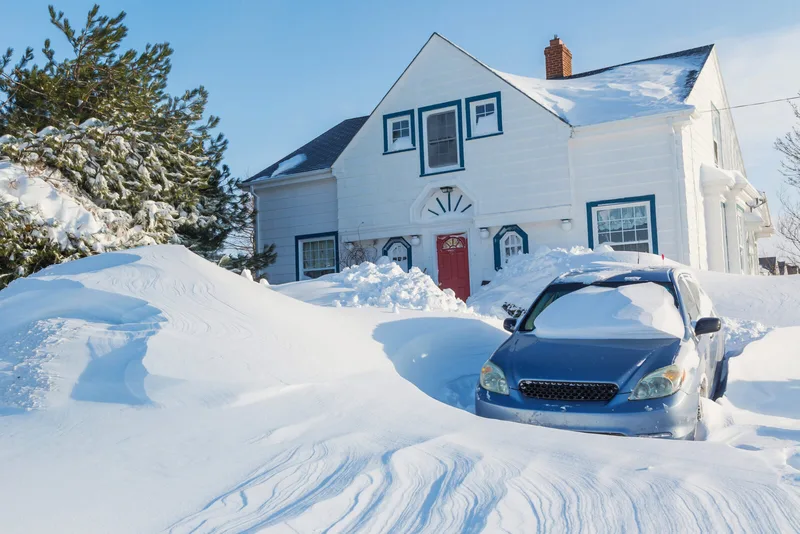
It’s the time of year when winter storms can blow through with deadly force. Are you prepared? While we’d rather not think about it, we all know winter can show up at any time. Check now to see you have the supplies on hand to weather the storm.
Start with the basics
The best time to get ready is before the weather turns bad. Once snow, ice, and high winds hit, it can be hard to get to the store. Roads may be closed. Power may be out. Even a short storm can make simple tasks much harder.
Take a few minutes now to walk through your home and see what you already have. Think about what you would need if you had to stay inside for a few days. Make a list. Then gather your supplies in one place so you can find them fast.
- Do you have flashlights and a supply of fresh batteries on hand? It helps to have a battery-powered or gaslight on hand too.
- Make sure you have some extra food such as canned goods, or other non-perishable foods.
- If you have young children or pets in the home, keep extra food on hand for them too.
- You’ll need enough water to get by for a few days at least. That’s one gallon of water per day for each person and pet in your household.
- Keep your cell phone charged with an extra power pack.
- Have extra blankets and warm clothing available.
- Be sure your first aid kit is well stocked and ready to use.
- You may want to keep a camp stove on hand for cooking or think about another way you can heat coffee and food.
- Have a carbon monoxide detector in working order in case you do have to use a camp stove.
- Make sure you have matches and a hand-operated can opener.
- Keep your prescription medicines filled in case you can’t get to the pharmacy.
- Have a battery-operated radio on hand in case of a power failure so you’ll know what’s happening.
- Place towels or blankets around the base of the doorways if you can feel the cold coming in, and turn your faucets on to drip to prevent them from freezing. It can even help to close your curtains to trap the heat inside.
- If it gets really cold inside your home, dress in layers, add blankets or put a hat on to stay warm.
Why these steps matter
Each item on the list can help in a different way. Flashlights are safer than candles if the power goes out, because they lower the chance of fire. Fresh batteries matter because old batteries may not work when you need them most. A battery-powered radio can help you hear weather updates if the internet or TV is not working.
Food and water are important because storms can last longer than you expect. You may not be able to leave home right away. People with disabilities may also need extra supplies to stay safe and comfortable. That can include items you use each day, such as medicine, medical equipment, or things that help you move around. If you need help thinking through your own plan, Disability Network Lakeshore can help. Our services are free. Call 616-396-5326.
It is also wise to think about the needs of everyone in your home. Young children may need snacks, formula, diapers, or comfort items. Pets need food, water, and any supplies they use each day. If a storm keeps you home longer than planned, having these items ready can reduce stress.
Make your home a little warmer
Winter storms can make a house feel cold fast. Small steps can help keep warmth inside. Towels or blankets at the bottom of doors can block drafts. Closing curtains can trap heat in the room. If you have rooms you do not need, you may be able to keep one main area warmer by spending time there.
If the power goes out, dress in layers. Layers hold in body heat better than one heavy piece of clothing. Add socks, hats, and extra blankets. If you are sitting still for a long time, your body may cool down more quickly, so it helps to keep moving a little when you can.
It is important to stay safe if you use a camp stove or another way to cook inside. Make sure your carbon monoxide detector works. Carbon monoxide can build up without warning and can be deadly. Never use equipment that creates fumes unless you know it is safe to use indoors. If you are not sure, choose another way to stay warm or to heat food.
Think ahead about power outages
Winter storms can cause power failures. If that happens, it helps to already have a plan. Charge your cell phone before the storm starts. Keep an extra power pack ready if you have one. That can help you stay in touch with family, friends, or emergency services.
Keep prescription medicines filled before bad weather arrives. Do not wait until the last dose. If you rely on medicine for pain, breathing, blood sugar, seizures, or another health need, losing access to it can become a serious problem. A storm can also make it hard to travel to the pharmacy, so filling medicines early is a smart step.
It can also help to know what you would do if heat, lights, or water are disrupted. Where would you go if your home became too cold? Who could you call? What items would you need to take with you? Writing down these answers now can save time later.
Keep supplies where you can reach them
When a storm hits, you may not want to search through closets or boxes. Put your supplies in a place you can reach quickly. A plastic bin, cupboard, or shelf near where you spend time can work well. Keep flashlights, batteries, matches, a can opener, and first aid supplies together if you can. That way, you will not have to gather everything one item at a time.
It is a good idea to check your supplies now and then. Batteries can run down. Food can expire. Medicines can run out. Water should stay clean and ready. A quick check each season can help you stay prepared all winter long.
Stay calm and stay informed
Winter storms can feel stressful, but a little advanced preparation can make a big difference. When you already have what you need, you can focus on staying safe instead of rushing around at the last minute.
Have a battery-operated radio on hand in case of a power failure so you’ll know what’s happening. Weather reports, emergency news, and local updates can help you make good choices about when to stay inside and when to ask for help.
With a little advanced preparation, you won’t be at the mercy of winter storms rolling through. Have a good winter and stay safe! If you need help designing an emergency plan to respond to winter storms or other emergencies, please call Disability Network/Lakeshore for help at 616-396-5326.