
Agent Orange continues to cause problems for veterans of the Vietnam War. Now it has been linked to the development of Parkinson’s disease too.
Agent Orange, and other toxic herbicides, have been found to affect the development of Parkinson’s disease. During the Vietnam War, Agent Orange was sprayed on jungle foliage to thin it out so snipers could be seen. One of the active ingredients in Agent Orange is dioxin, and dioxin is known for its linkage to the development of multiple health problems, including Parkinson’s.
This matters because many veterans may not have known the long-term health risks at the time of exposure. Problems tied to toxic exposure can show up years later. In some cases, a person may not connect their current symptoms to military service right away. That is why this kind of health information is so important for veterans and their families.
Three new “presumptive” conditions have been added to the list of illnesses veterans may develop as a result of being exposed to Agent Orange. The development of the disease is presumed to be a result of exposure to dioxin. Bladder cancer, hypothyroidism, and Parkinson’s are the three newest presumptive conditions related to Agent Orange exposure. If you filed a claim with the VA and were denied in the past, your claim will automatically be reviewed again.1
“Presumptive” is an important word here. It means the VA may accept that the condition is related to service if the veteran meets the exposure rules and has the diagnosis. That can make the claim process simpler for some people. It does not remove the need for records, but it can help avoid having to prove the link from scratch.
If you are a veteran or helping a veteran, it is a good idea to gather paperwork early. Useful records may include:
- Medical records showing the Parkinson’s diagnosis
- Service records showing where and when the veteran served
- Any VA letters or past claim decisions
- Notes from doctors about symptoms, treatment, and follow-up care
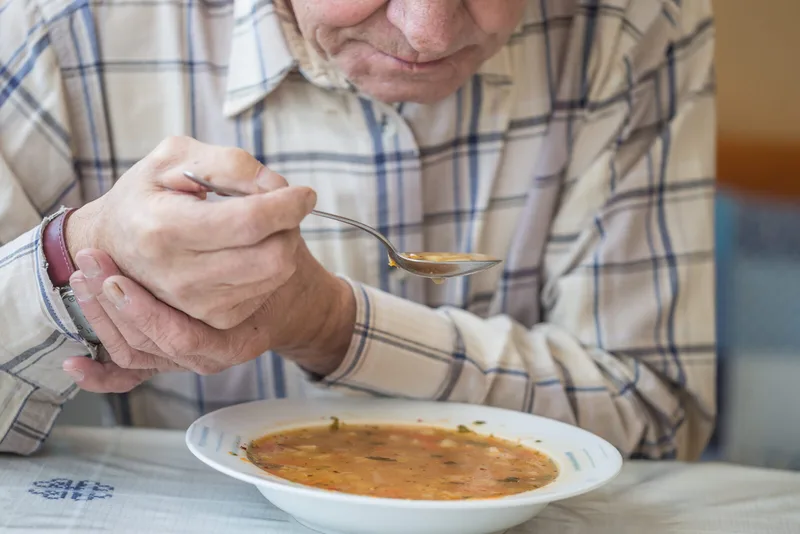
Parkinson’s disease is a progressive nervous system disorder that affects movement.2 Symptoms develop gradually, over a period of years, and may include rigidity of the face and limbs, along with gait and balance issues. Although the disease cannot be cured at this time, treatment can help. The earlier treatment is started, the better.
It can help to know what those symptoms may look like in daily life. A person might move more slowly, feel stiff, or have trouble with balance while walking. Some people may notice shaking, while others may first see changes in posture or facial expression. Symptoms do not always appear the same way for everyone. If you notice changes, talk with a doctor. Early care can help a person stay active and manage daily tasks longer.
There are also practical things that can support someone living with Parkinson’s. For example:
- Keep doctor visits and medication times on a simple schedule
- Write down new symptoms so you can share them at appointments
- Use a cane, walker, or handrail if balance becomes a concern
- Remove trip hazards at home, like loose rugs or cluttered walkways
- Ask about physical, occupational, or speech therapy if those services are recommended
If you have been diagnosed with Parkinson’s and believe it is a result of your time serving in the military, you can file a claim with the VA for disability compensation. You will have to include supporting documentation showing that you’ve been diagnosed with the disease, and you were in the areas where the exposure took place. If you need help submitting a claim, you can go to your nearest VA regional office, or call 800-827-1000.
For some veterans, the claim process can feel overwhelming. It may help to take it one step at a time. Start with the diagnosis. Then collect service records. Then gather any old claim letters, if you have them. Keep copies of everything you send. If you mail papers, consider using a method that gives you proof of delivery. If you submit forms in person, ask for a receipt.
If you are unsure where to start, Disability Network Lakeshore may be able to help. Our services are free. We help people find and use disability resources, and we can talk through next steps and options. You can reach us at (616) 396-5326.
Veterans and family members do not have to handle these questions alone. A spouse, adult child, or trusted friend can help collect records, make calls, and keep track of dates. Sometimes having another person read the forms or help write down questions makes the process easier and less stressful.
1 American Parkinson’s Disease Association, 2022.
2 Mayo Clinic, 1998-2022. Parkinson’s disease.
Our World still has barriers for people with disabilities.
Whether you're an individual or a company, searching for disability resources is discouraging and frustrating. And when you don't have the right tools, individuals and communities suffer. Wouldn't you like to live in an inclusive community where everyone can participate, contribute, and belong?
The right resources are hard to find. We get it.
We understand how it feels to struggle to fully participate in an inaccessible community, which is why we help people find and use disability resources.
Donate Today To Make a Difference!
Helping others live lives less complicated by disabilities takes people and resources. Support like yours helps us continue helping others struggling to navigate disability resources. 90% of your donation goes directly into services to individuals, their families, and our community.
Make A Donation Today!
442 Century Lane
Holland, MI 49423
Services
- Advocacy
- Assistance Animals
- Information & Referral
- Peer Support
- Emergency Readiness
- Social Security Disability
- Social Participation
- Veterans
- Skills Development
- Employment
- Transition
- Nursing Home Transition
- Youth Services
Events
About
Contact Us
The Ability Award
Blog
DNL Live
Impact Report
Satisfaction Survey
Volunteer
Privacy Policy
UCP of Michigan
Info@dnlakeshore.org
Phone: (616) 396-5326
Fax: (616) 396-3220
Office Hours:
8am-4:30pm M-F
442 Century Lane
Holland, MI 49423
Services
Advocacy
Assistance Animals
Information & Referral
Peer Support
Emergency Readiness
Social Security Disability
Social Participation
Veterans
Skills Development
Employment
Transition
Nursing Home Transition
Youth Services
About
Contact Us
The Ability Award
Blog
DNL Live
Impact Report
Satisfaction Survey
Volunteer
Office Hours: 8am-4:30pm M-F
Privacy Policy
UCP of Michigan
Info@dnlakeshore.org
Phone: (616) 396-5326
Fax: (616) 396-3220