
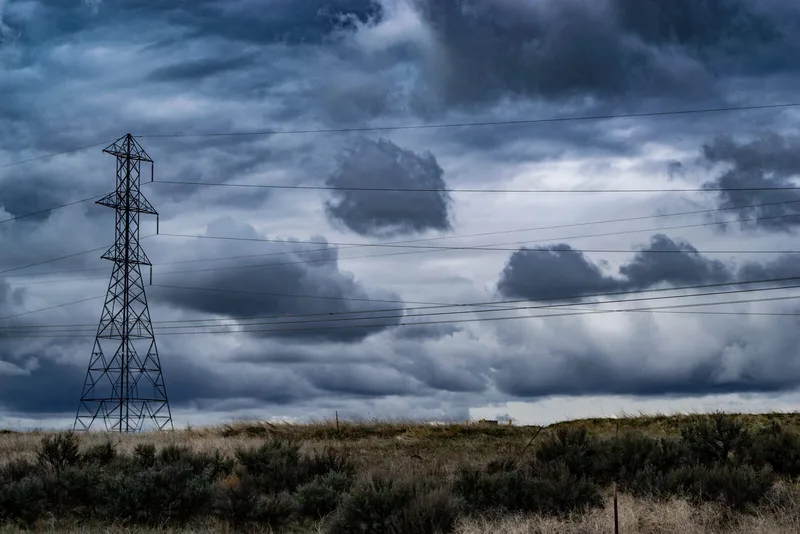
Thunder, lightning, high winds, and possible hail; it is storming this morning, and I’m wondering if our power will go out again. Suddenly, the house goes dark, the stove won’t work, and it starts to heat up inside the house. That feeling comes fast. One minute life is normal. The next minute, we are all adjusting to a house with no power.
Of course, we never know how long the power will be off, so we go into our routine. We do not open the refrigerator unless we know exactly what we want to get out. We start planning “no-cook” meals. We shut the curtains to keep it as cool inside the house as possible. These things may seem small, but they help a lot. They also keep us from wasting food or making the house even warmer.
We have water stored in case this happens. There are flashlights and candles if the power is out into the evening hours. For the guys, the most difficult part is not having any television! We do have plenty of books to read through. That helps pass the time and keeps everyone from getting too bored or too cranky. If you have kids, books, card games, puzzles, or quiet games can help too. The main idea is to have a few simple ways to stay busy without using power.
Why a Power Outage Feels So Hard
Power outages happen; summer or winter, and it makes life difficult. In the summer, the house can get hot fast. In the winter, the house can get cold fast. Either way, you may lose some of the things you use every day. Lights go out. The stove may not work. The refrigerator and freezer are no longer reliable for long. A phone may not charge. A TV, fan, or radio may stop working. That can make a regular day feel much harder.
But it doesn’t have to make life unbearable. When I think of all the people in the world who live without electricity, it makes it easier for me to sit in a hot house. We have it pretty good in this country, and if once in a while things go fubar, then it’s up to us to learn to get through it. Fortunately, my emergency plan addresses power outages. I hope yours does too!
That kind of planning gives peace of mind. It does not stop the outage, but it can make the day less stressful. A little planning ahead can save food, save time, and save worry. It can also help people with disabilities who may need lights, charging, temperature control, or special equipment. If you want help thinking through an emergency plan, DNL can help. Our services are free, and you can call us at (616) 396-5326.
Planning Ahead Before the Lights Go Out
Along with the tips I have already listed above, I make an effort to plan ahead if I know the power will be off by filling extra buckets of water and having ice jugs on hand to move into the refrigerator if the power is off long enough that it cools down significantly. That kind of preparation makes a real difference. Water can be used for drinking, washing hands, and some basic clean-up. Ice jugs can help keep food cooler for a little longer.
- Fill extra buckets of water before the outage if you have warning.
- Keep some ice jugs or freezer packs ready.
- Know which foods can be eaten without cooking.
- Keep curtains shut to help hold in cool air during hot weather.
- Keep flashlights in a place you can find quickly.
- Keep candles where they will be easy to reach if needed.
It also helps to keep important items in one place. That way, you are not trying to look for them in the dark. A flashlight in a kitchen drawer may be more useful than one in a closet. A charged power pack can be more useful than one that is buried in a box. Simple storage can save a lot of stress when the power suddenly goes out.
I don’t have a generator, but I do have one of those little power packs that you can keep charged and run a light or charge your cell phone with. That is a good backup for short outages. Even a little charge can matter when you need to make a call, use a light, or check on someone. If you have a device that must stay charged, it is smart to think ahead about how you will keep it going if the power is out for a while.
Food, Water, and Comfort
When the power is off, food becomes a big concern. That is why “no-cook” meals are part of the plan. It helps to have food on hand that does not need the stove or oven. Things like sandwiches, crackers, fruit, peanut butter, or other shelf-stable foods can be useful. If you have a way to grill safely outside and conditions allow it, that may be another option. The important thing is to think ahead before hunger gets uncomfortable.
It is also wise to limit how often you open the refrigerator and freezer. Every time you open the door, cold air escapes. That makes the food warm up faster. If you know exactly what you want, get it out quickly and close the door right away. If the outage lasts long enough, moving ice jugs into the refrigerator may help once it cools down significantly. It is not a perfect fix, but it can help slow down spoilage.
Comfort matters too. In hot weather, closing curtains can help keep the house cooler. In cold weather, closing off rooms you are not using can help hold heat in the part of the house where you spend time. Extra blankets, sweaters, or fans that run on batteries can also help, depending on the season. These are small things, but they can make the difference between being miserable and being able to manage.
Staying Busy Without Power
One of the hardest parts of a power outage is the boredom. That is especially true when you are used to television, computers, or phones to fill the time. For the guys, the most difficult part is not having any television! We do have plenty of books to read through, and that helps a lot. Books are a good standby because they do not need batteries or internet access.
It helps to have a few things ready before the outage starts. Box games are a good choice. So are books, magazines, puzzles, and card games. If you have children in the house, simple activities can keep them busy and calm. A quiet game at the table can help the time pass much faster than sitting around and waiting for the lights to come back on.
Here are a few ideas that can help during an outage:
- Read books or magazines.
- Play box games or card games.
- Do a puzzle.
- Talk with each other instead of turning to screens.
- Rest if you can.
- Keep a calm routine so the day feels more normal.
If the outage lasts into the evening, having flashlights ready can make it easier to move around safely. Candles can help too, but they must be used with care. Make sure they are in a stable holder and away from anything that can burn. Never leave them alone. Safety matters, especially when you are already dealing with the stress of no electricity.
Being Ready Helps Me Feel Better
My plan addresses power outages because they tend to be fairly common here in Michigan. I don’t like living without electricity, and I want to be prepared ahead of time to make the experience as easy to get through as possible. That is really the heart of it. I may not be able to stop the storm, but I can be ready for it.
Being prepared is not about being perfect. It is about taking a few steps before trouble starts. It is about knowing what you need, where it is, and how you will use it. It is about making the outage less of a crisis and more of an inconvenience. That is a big difference.
If you are putting together your own emergency plan, start small. Think about water, food, light, charging, and comfort. Think about what you use every day and what you would miss if the power went out. Then build from there. If you need help with planning, understanding resources, or thinking through what works for your situation, DNL is here to help. Our services are free, and you can call (616) 396-5326.
When the storm is over and the lights come back on, it always feels good to return to normal. Until then, a little planning, a few supplies, and a steady routine can go a long way.