What do you need to know in order to live independently? It may seem like a very simple question, but it’s not! Many of the skills that help us live independently in the community are skills that aren’t always taught at home or in school. The problem then is how do you learn them when there is no one to teach you?
Disability Network/Lakeshore (DNL) began offering Independent Living Skills Training last year. Using a program developed by the University of Montana called “Healthy Community Living (HCL),” the skills taught in these workshops included the very basics of independent living: self-care, how to access transportation, money management, interacting with others, and much, much more. It was quite exciting to see young adults learning the skills needed to live on their own.
These kinds of skills can sound small, but they matter in everyday life. Self-care can mean remembering meals, hygiene, sleep, and medicine. Accessing transportation can mean learning bus routes, arranging a ride, or knowing how to ask for help. Money management can mean keeping track of cash, paying bills on time, and making choices about what to buy first. Interacting with others can mean talking with a landlord, a roommate, a boss, or a neighbor in a calm and clear way. Each one helps build confidence. Each one can make daily life a little easier.
This year, DNL is again offering Independent Living Skills Trainings. We’ve added a new program to improve the workshops. SNAP is a program that helps the instructor put the information being presented into plain language, making it easier to understand.
Plain language matters. People learn better when ideas are clear and direct. That is especially true when a topic has a lot of steps, new words, or confusing rules. SNAP can help make the teaching more useful for more people by breaking things down into simple words. That can be a big help for young adults who are just starting out, and for anyone who has had to learn hard things the long way.
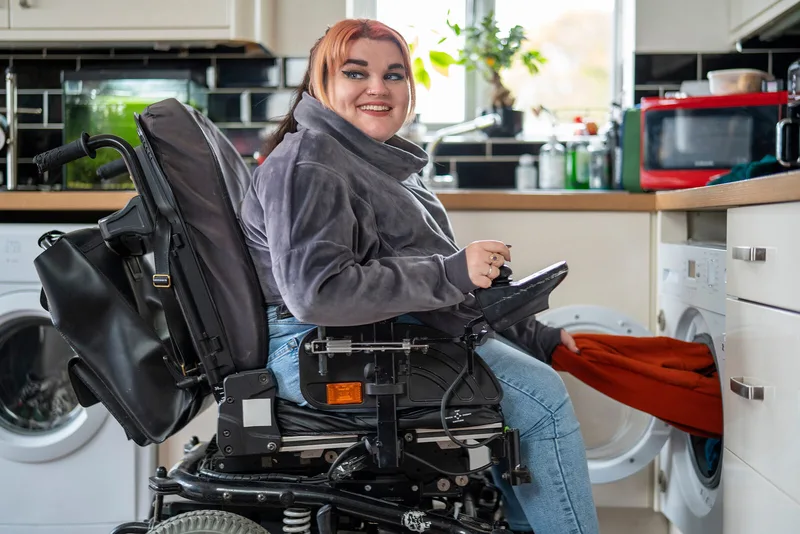
There is a great need for young adults to have access to the information being presented in these workshops. Where else can you go to learn how to handle a roommate who is causing problems, or the steps one must go through to do the laundry? Most of us don’t remember being taught these things. We learned as we went; it was more of a “sink or swim” way of learning. How much easier would it be though to learn in a manner other than by trial and error?
That question is worth thinking about. Trial and error can take a lot of time. It can also lead to stress, mistakes, and hurt feelings. A workshop can give someone a safer place to practice. For example, if a roommate is causing problems, a person may need to know how to speak up, set limits, or ask for support before the situation gets worse. If someone has never done laundry alone, it helps to learn the steps before clothes are ruined. A little guidance early on can prevent bigger problems later.
Learning how to make it through life on your own can be challenging. I’m glad DNL offers workshops that help young people learn the ins and outs of independent living. It’s information we all need to know!
Independent living is not just about doing everything alone. It is about having the skills and support to make your own choices. It is about knowing where to go for help, how to solve problems, and how to move through the community with more confidence. For some people, that may mean learning how to plan a weekly budget. For others, it may mean knowing how to make an appointment, ask questions, or handle a change in routine. These are practical life skills, and they can make a real difference.
If you are teaching or learning these skills, it can help to break big tasks into smaller steps. For example:
- When learning to do laundry, start with sorting clothes, then reading the care label, then choosing soap and settings.
- When learning money management, start by listing income and bills, then talk about needs, wants, and savings.
- When learning to use transportation, start with planning the trip, checking the time, and knowing what to do if plans change.
- When learning how to deal with a roommate, practice calm words, clear requests, and knowing when to ask for help.
These kinds of steps can make a new task feel less overwhelming. They can also help a person build habits that last. That is one reason training is so important. It gives people a chance to practice before they are under pressure.
DNL’s Independent Living Skills Training can also be a good place to ask questions you may not feel comfortable asking somewhere else. Sometimes people worry that a question sounds too simple. But simple questions are often the most important ones. If you do not know how to do something, you need a place where learning is welcome. That kind of support can build confidence and independence over time.
If you know someone who would be interested in participating in Independent Living Skills Training, please contact Disability Network/Lakeshore at 616.396.5326. DNL’s services are free, and we are here to help people find the tools they need to live more independently.
For anyone who is trying to figure out adult life, the right help at the right time can make a big difference. It can turn confusion into confidence and uncertainty into action. I am glad DNL is helping young people learn these important skills.
Our World still has barriers for people with disabilities.
Whether you're an individual or a company, searching for disability resources is discouraging and frustrating. And when you don't have the right tools, individuals and communities suffer. Wouldn't you like to live in an inclusive community where everyone can participate, contribute, and belong?
The right resources are hard to find. We get it.
We understand how it feels to struggle to fully participate in an inaccessible community, which is why we help people find and use disability resources.
Donate Today To Make a Difference!
Helping others live lives less complicated by disabilities takes people and resources. Support like yours helps us continue helping others struggling to navigate disability resources. 90% of your donation goes directly into services to individuals, their families, and our community.
Make A Donation Today!
442 Century Lane
Holland, MI 49423
Services
- Advocacy
- Assistance Animals
- Information & Referral
- Peer Support
- Emergency Readiness
- Social Security Disability
- Social Participation
- Veterans
- Skills Development
- Employment
- Transition
- Nursing Home Transition
- Youth Services
Events
About
Contact Us
The Ability Award
Blog
DNL Live
Impact Report
Satisfaction Survey
Volunteer
Privacy Policy
UCP of Michigan
Info@dnlakeshore.org
Phone: (616) 396-5326
Fax: (616) 396-3220
Office Hours:
8am-4:30pm M-F
442 Century Lane
Holland, MI 49423
Services
Advocacy
Assistance Animals
Information & Referral
Peer Support
Emergency Readiness
Social Security Disability
Social Participation
Veterans
Skills Development
Employment
Transition
Nursing Home Transition
Youth Services
About
Contact Us
The Ability Award
Blog
DNL Live
Satisfaction Survey
Volunteer
Office Hours: 8am-4:30pm M-F
Privacy Policy
UCP of Michigan
Info@dnlakeshore.org
Phone: (616) 396-5326
Fax: (616) 396-3220
Disability Network Lakeshore is a Non-Profit 501(c)(3) Charitable Organization.