
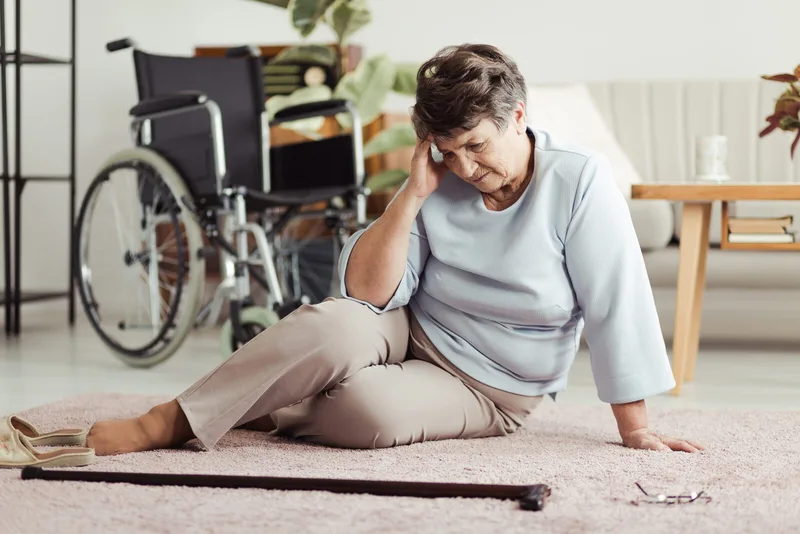
Autumn is one of my favorite times of year with the changing color of the woods and the crisp, cool air. However, this isn’t a discourse on the beauty of fall as a season, but rather a discussion on the danger of falling. Every second of every day, an adult 65-years old or older falls, and one quarter of those falls will result in that person needing additional care. In the United States the cost to our health system from falling amounts to 50 billion dollars each year. As the population ages and we have more people living longer, there will be more falls occurring. Falls have become the leading cause of injury and death for older Americans.
Why falls matter
For the elderly, measures to prevent falling become a priority because the outcomes are often so poor. A fall is not just a quick stumble. It can change how a person feels about themself, how they move, and how safe they feel in their own home.
First, there is the embarrassment that comes from a fall. We don’t like sitting or lying of the floor. That’s what children do and where they play, not adults. Oftentimes we cannot get up unaided. That increases our feelings of being dependent on others. Many of us will stop doing activities that we feel put us at risk, like taking a walk outside, for fear of slipping on the ice or tripping, but that can have unintended consequences. When we don’t exercise like we used to, it can cause us to lose flexibility, muscle strength and muscle tone. That actually puts us at risk of falling more often.
That is one reason fall prevention is not just about avoiding one accident. It is also about keeping strength, confidence, and independence. If a person cuts back on movement too much, the body can get weaker and less steady. Then the risk can rise again. It becomes a cycle that is hard to break.
Fear of injury and loss of independence
We are also afraid of falling because of the likelihood that injury will result in hospitalization and open the door to being admitted to a nursing home. Most of us want to age at home, not in a nursing facility, so falling poses a greater risk of sending us down a path we don’t want to travel.
That fear is real. A broken bone, a head injury, or a long hospital stay can change daily life fast. For some people, even one fall can lead to more help being needed with bathing, dressing, walking, or getting around the house. That is why it makes sense to think about safety before a fall happens, not after.
Start with the person
Obviously, the best solution is to not fall in the first place. Steps to prevent falls are a crucial part of any solution, but each person should be evaluated as an individual with person-centered planning in place.
That means looking at the whole person, not just one problem. What helps one person may not help another. Someone who uses a cane may need a different setup than someone who uses a wheelchair. A person with weak balance may need one kind of support, while another person may need help with eyesight, pain, or medication side effects. Good planning looks at home space, health, habits, and daily routines together.
Practical steps that can help
There are many steps one can take to reduce the risk of falling. These include increasing exercises that promote better balance, evaluating mobility aids like walkers and wheelchairs, and reevaluating the individual’s needs and how they change over time. Some solutions are simple, like increasing the lighting in the room. Some are more complex, like changing floor surfaces and height of furniture.
Here are a few practical ways to think about fall prevention:
Work on balance exercises that are safe and match the person’s ability. This might mean gentle standing practice, walking with support, or other movement approved by a health care professional.
Check walkers, canes, and wheelchairs to make sure they still fit the person well and are used the right way.
Look at the home room by room. Dark hallways, cluttered walkways, loose rugs, and cords can all create hazards.
Improve lighting so a person can see steps, edges, and objects more clearly, especially at night.
Revisit needs often. A person’s strength, vision, balance, and daily tasks can change over time.
Think about furniture height and floor surfaces. Chairs that are too low or flooring that is hard to move across may make standing and walking harder.
Even small changes can help. For example, if someone often gets up at night, putting a light near the bed or path to the bathroom may reduce risk. If a person has trouble stepping over the edge of a rug, removing it may be safer than trying to work around it. If a walker is too tall or too short, adjusting it may improve stability.
It also helps to watch for changes in daily life. Is the person holding onto walls more often? Are they feeling dizzy? Are they rushing to answer the phone or door? These can be signs that the current setup is no longer working well.
Make the home safer
Many falls happen in places people know well. That can make it easy to miss the risk. A home can feel safe because it is familiar, but familiar spaces can still have hidden dangers.
Try to keep walkways open. Make sure there is enough light in stairs, halls, kitchens, and bathrooms. Put often-used items within easy reach, so a person does not need to climb, stretch, or bend too far. Keep floors dry. Wear shoes or socks with good grip. These simple habits may lower risk and make daily life easier.
If changes are needed, it is best to start with the highest-risk spots first. Bathrooms, stairs, and entryways often need extra attention because slips and trips can happen there quickly.
Ask for help when needed
Taking a tumble can be a life-changing event. For a list of fall prevention tips, please contact Disability Network Lakeshore at 616.396.5326. Our services are free, and we can help people think through disability-related needs and resources.
Sometimes a person knows something needs to change but is not sure where to begin. That is okay. A conversation can be a good first step. Whether the concern is mobility, access, safety, or keeping independence at home, support is available.
Fall prevention is not about fear. It is about staying active, staying safe, and staying in control as much as possible. With the right supports, many people can keep doing the things that matter to them while lowering their risk.
Resource Articles
“The State of Falls Report” by Safely You, Sept. 9, 2022.
“The Ultimate Guide to Reducing Falls in Memory Care During COVID-19 Pandemic” by Safely You.
Our World still has barriers for people with disabilities.
Whether you're an individual or a company, searching for disability resources is discouraging and frustrating. And when you don't have the right tools, individuals and communities suffer. Wouldn't you like to live in an inclusive community where everyone can participate, contribute, and belong?
The right resources are hard to find. We get it.
We understand how it feels to struggle to fully participate in an inaccessible community, which is why we help people find and use disability resources.
Donate Today To Make a Difference!
Helping others live lives less complicated by disabilities takes people and resources. Support like yours helps us continue helping others struggling to navigate disability resources. 90% of your donation goes directly into services to individuals, their families, and our community.
Make A Donation Today!
442 Century Lane
Holland, MI 49423
Services
- Advocacy
- Assistance Animals
- Information & Referral
- Peer Support
- Emergency Readiness
- Social Security Disability
- Social Participation
- Veterans
- Skills Development
- Employment
- Transition
- Nursing Home Transition
- Youth Services
Events
About
Contact Us
The Ability Award
Blog
DNL Live
Impact Report
Satisfaction Survey
Volunteer
Privacy Policy
UCP of Michigan
Info@dnlakeshore.org
Phone: (616) 396-5326
Fax: (616) 396-3220
Office Hours:
8am-4:30pm M-F
442 Century Lane
Holland, MI 49423
Services
Advocacy
Assistance Animals
Information & Referral
Peer Support
Emergency Readiness
Social Security Disability
Social Participation
Veterans
Skills Development
Employment
Transition
Nursing Home Transition
Youth Services
About
Contact Us
The Ability Award
Blog
DNL Live
Satisfaction Survey
Volunteer
Office Hours: 8am-4:30pm M-F
Privacy Policy
UCP of Michigan
Info@dnlakeshore.org
Phone: (616) 396-5326
Fax: (616) 396-3220
Disability Network Lakeshore is a Non-Profit 501(c)(3) Charitable Organization. © Copyright 2026 | Guide MKTG