
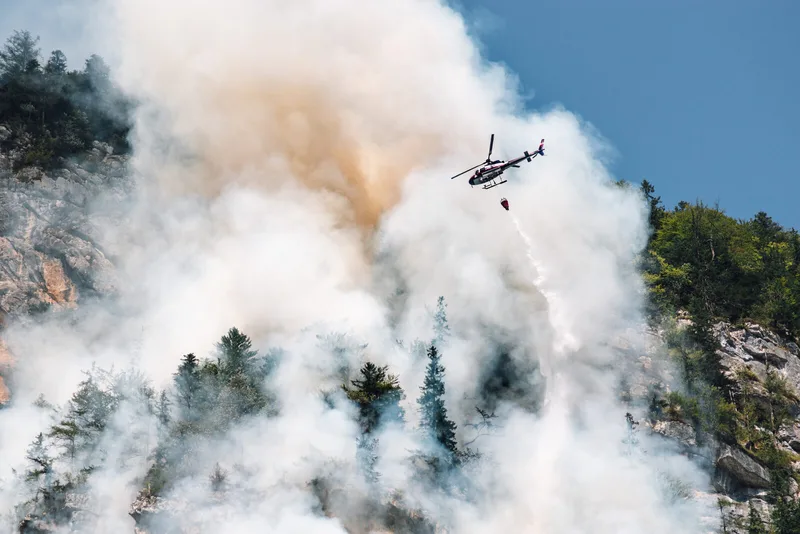
I’ve been watching the news this week about the wildfires in California, and my heart goes out to the folks dealing with that horror. It’s not just the people who are watching their hopes and dreams go up in smoke. It includes the firefighters, the first responders, the doctors and nurses who have to deal with the people coming in with burns, the veterinarians who are trying to help the animals that have been injured, the businesses that have been destroyed, the resources that burned, and all the beauty that is now in ashes. The list of woes seems endless.
It is hard to see all of that and not think about how fast life can change. One day things are normal. The next day they are not. Disaster can touch a whole town, a whole state, or even people far away who are still affected by what happened. Those California fires have even created their own weather system. That means the weather in Michigan has been affected by the fires too. I sometimes think that anything that happens to one of us happens to all of us.
That is why I keep coming back to the same thought: none of us are beyond the reach of disaster. You only have to think about September 11th, or the Oklahoma City bombings, or the California wildfires, or the Michigan tornados, or any number of other tragedies: fires, earthquakes, tsunamis, chemical spills, toxic agents, or radiation that is accidentally released; the list is endless. Any of us can be on the receiving end of a disaster. We may not know when it will happen, but we do know it can happen. That means the best protection is to be prepared.
Make a plan before you need one
When I say make a plan, I mean really think it through. Do not wait until there is smoke in the air or the power goes out. Think of the things that could affect you and how you can make it through in the best way possible. Write it down and make sure everyone in your family knows what your plan is. Be a survivor!
A good plan does not have to be fancy. It just needs to be clear. It should help you answer simple questions like these:
- How will I know there is an emergency?
- Where will I go if I need to leave home fast?
- Who will I call if phone service is poor or gone?
- How will my family find each other?
- What will I take if I only have a few minutes?
If you live with a disability, your plan may need a few extra steps. Think about the help you use every day. That can include medicine, oxygen, equipment, hearing devices, wheelchairs, chargers, service animals, or a support person. If one of those things is needed to keep you safe, it should be part of the plan. It helps to ask, “What would I need if I had to leave home right now and not come back for a while?”
It can also help to think about the places you go most often. If you are at work, where is the exit? If you are at home, is there more than one way out? If you use public transportation, how would you get to a safe place if your regular route stopped running? Small questions like these can make a big difference when time is short.
Make it simple and practical
Writing a plan does not have to take a lot of time. Start with the basics. Put the most important phone numbers in one place. Keep copies where you can find them fast. If you can, share your plan with people you trust. That could be family, neighbors, friends, a caregiver, or a co-worker. If something happens when you are not home, those people may be the ones who need to help.
It is smart to keep a small emergency kit ready too. This does not need to be expensive. Even a few supplies can help a lot.
- Water
- Nonperishable food
- Flashlight
- Batteries
- Phone charger or backup power source
- First aid items
- Medicine and a list of prescriptions
- Copies of key papers
- Extra glasses, hearing aid batteries, or other needed items
- Items for a service animal, if you have one
If you need help getting started, break the work into steps. One day, write down emergency contacts. Another day, pack the kit. Another day, talk through the plan with the people who live with you. A plan gets better when you build it little by little.
It may also help to practice. Walk through the plan out loud. Try to picture what you would do if the power went out, if you had to leave home, or if roads were blocked. Practice can show you problems before the real emergency comes. For example, you may find out that your backup flashlight is missing batteries or that your plan only works if one person is home. Finding those gaps now gives you time to fix them.
Talk it over with the people around you
One of the most important parts of emergency readiness is communication. A plan is only useful if the people who need it know about it. Make sure everyone in your family knows where the plan is kept. If someone in your home needs help with daily tasks, include that information too. If a neighbor may need to check on you, let them know how they can help. If you have a child, talk in simple words they can understand.
For people with disabilities, a plan should also take into account personal needs and personal choice. Maybe you need written instructions because hearing is hard in a noisy place. Maybe you need large print. Maybe you need reminders on your phone. Maybe you need to know in advance where you will stay if you cannot return home right away. A plan works best when it fits your real life.
Do not forget the emotional side either. Emergencies are stressful for everyone. It can help to think about what keeps you calm and focused. That might be a favorite blanket, a comfort item, a support person, or a simple routine. These things do not solve the emergency, but they can help you stay steady while you deal with it.
DNL can help you get ready
At Disability Network Lakeshore, we believe emergency readiness is part of independent living. Planning ahead can make a hard situation easier to manage. If you are not sure where to begin, DNL may be able to help you think through your needs and make a plan. Our services are free.
You can reach us at (616) 396-5326. We are located at 442 Century Lane, Holland, MI 49423. We serve people with disabilities in Ottawa and Allegan counties, Michigan.
None of us can control every disaster. But we can prepare for more than we might think. We can write things down. We can share the plan. We can gather what we need. We can talk through the hard parts before the hard day arrives. That is how we give ourselves a better chance to stay safe and keep going.
So I will say it again: make a plan. Think of all the things that could affect you and how you can make it through in the best way possible. Write it down. Make sure everyone in your family knows what your plan is. Be a survivor.