Overcoming disability can be a life-long journey, but when you are black in addition to being disabled, it can be twice as difficult. February is Black History Month, and Disability Network/Lakeshore would like to recognize some of the many people of color who have contributed to making the world a better place for all of us.
According to the office of Equity, Diversity and Inclusion*, these are a few of the individuals who have been instrumental in touching the lives of millions while also being disabled. Their courage and commitment to improving the lives of others, and doing so while living with a disability, should be an example to us all. It also helps to remember that success does not always come in a straight line. Many people have to keep trying, keep learning, and keep moving forward, even when life makes things harder than they should be.
The singer/actor Harry Belafonte is one of my favorites. He had the first million-selling LP’s by a single artist with the Calypso music he was famous for. His honesty and integrity were evident in every movie he made and every song he sang. Mr. Belafonte dropped out of high school because he had dyslexia, which made reading extremely difficult for him. When he was young, dyslexia was not well understood, but it did not stop him from making delightful music or from becoming a champion for dyslexia awareness.
Mr. Belafonte’s story is a reminder that a learning disability can affect school, work, and daily life, but it does not take away a person’s talent or worth. For some people, reading out loud, filling out forms, or keeping up with long written instructions can be hard. Helpful tools can include extra time, audio books, larger print, note-taking help, and using a phone or computer to read text aloud. A person can also ask for simple, clear steps when needed. Small supports can make a big difference.
Maya Angelou is known for her books and her poetry, but she also was a singer and a civil rights activist. At age 8, she was sexually assaulted by her mother’s boyfriend and did not speak for the next five years. Fortunately for all of us, she found her voice again and became a champion for the rights of black people and women, and an author that has thrilled readers all over the world.
Her life shows great strength after great pain. Silence can come in many forms. Some people stop speaking because of fear, trauma, or loss. Others may have trouble speaking because of a disability. Whatever the reason, being heard matters. One practical lesson from Maya Angelou’s life is that healing can take time, and that voice can return in different ways. Writing, poetry, art, music, and trusted support people can help a person express what is inside. If someone is dealing with trauma or a disability and needs help finding resources, DNL can help at no cost. Call (616) 396-5326 to learn more.
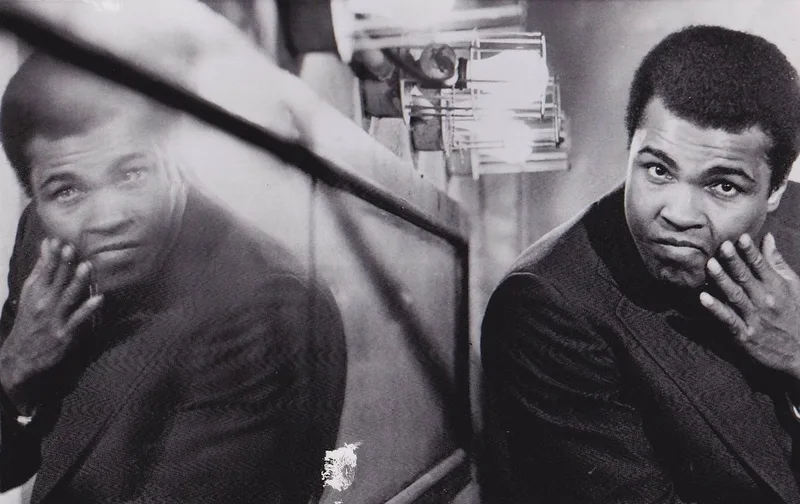
When I was young, Muhammad Ali was the most famous boxer in the world. He delighted us with his fancy footwork, his sense of humor, and his goodwill. He not only fought in the boxing ring, but he advocated for racial and social justice as well. As a youth, he was diagnosed with dyslexia, and at mid-life, he developed Parkinson’s disease and became a role model for people with disabilities.
Ali’s life shows that a person can be known for skill and still be known for character. He did not only use his voice for sports. He used it for fairness, too. Living with a disability can mean dealing with changes over time. A person may need to adjust routines, ask for help, or use new tools. That is not failure. It is part of staying active in life. Some people with Parkinson’s disease, for example, may need more time to move, rest breaks, or support with balance and daily tasks. Planning ahead can help. So can friends, family, and community members who listen without judgment.
It is difficult in our society to overcome the stigma of being disabled, but to be a person of color with a disability, and to touch the lives of so many others, is worthy of recognition. We are honored to know these individuals and to have our lives enriched by them.
That stigma can show up in many ways. People may make hurtful assumptions. They may think a disabled person cannot lead, create, work, parent, or serve the community. The lives of Harry Belafonte, Maya Angelou, and Muhammad Ali show the opposite. They remind us that disability does not erase talent, courage, or leadership. Their lives also remind us to look beyond labels and to see the whole person.
For people who are disabled, or who love someone who is disabled, it can help to remember a few simple ideas:
- Ask for the support you need. Clear requests are often the first step.
- Use tools that save energy. A cane, reader, calendar, alarm, or note app can help.
- Break hard tasks into small steps. One step at a time can make a big job feel possible.
- Choose people who respect you. Support matters.
- Celebrate progress, even when it is slow. Small wins count.
These ideas may seem basic, but they can make daily life easier. They can also help a person keep moving toward school, work, community life, or personal goals. If you need help finding resources, learning skills, or talking through options, Disability Network Lakeshore offers free services to people with disabilities in Ottawa and Allegan counties. We are here to help people live more independently and with more confidence. You can reach us at (616) 396-5326.
*University of Pittsburg. (Office for Equity, Diversity and Inclusion), disABLED Black History. https://www.diversity.pitt.edu/disabled-black-history
Donate Today To Make a Difference!
Helping others live lives less complicated by disabilities takes people and resources. Support like yours helps us continue helping others struggling to navigate disability resources. 90% of your donation goes directly into services to individuals, their families, and our community.
Make A Donation Today!
442 Century Lane
Holland, MI 49423
Services
- Advocacy
- Assistance Animals
- Information & Referral
- Peer Support
- Emergency Readiness
- Social Security Disability
- Social Participation
- Veterans
- Skills Development
- Employment
- Transition
- Nursing Home Transition
- Youth Services
Contact Us Today!
Info@dnlakeshore.org
Phone: (616) 396-5326
Fax: (616) 396-3220
Office Hours:
8am-4:30pm M-F
442 Century Lane
Holland, MI 49423
About
Contact Us
The Ability Award
Blog
DNL Live
Impact Report
Satisfaction Survey
Volunteer
Privacy Policy
UCP of Michigan