
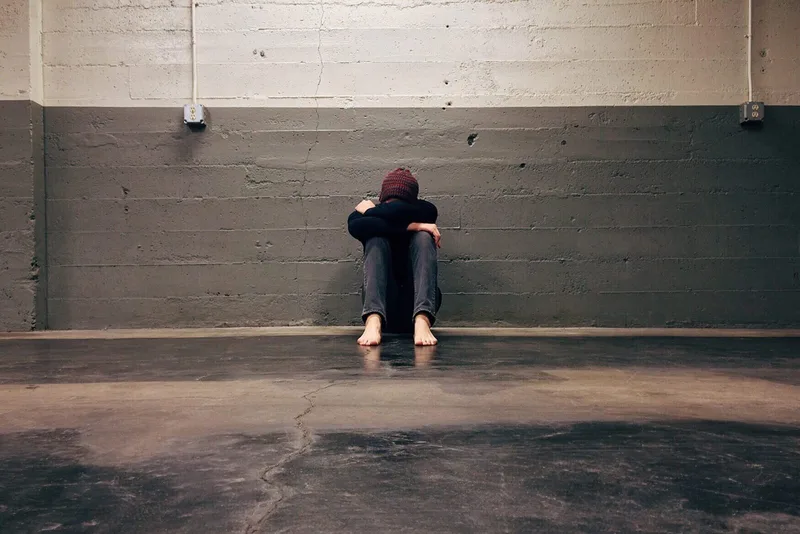
There are times when we all feel a bit anxious over events or circumstances in our lives, but with an anxiety disorder, the fear is more intense and can be quite persistent. That anxiety can blossom into a panic attack that can leave you feeling breathless and overwhelmed. Unfortunately, it doesn’t help to have someone tell you that your fears are out of proportion to any real danger.
Anxiety can be hard to explain to others. From the outside, a person may look fine. Inside, though, their mind may be racing. Their body may feel tense or shaky. They may feel trapped by worry, even when they know the worry is not helping. That can make anxiety feel lonely. It can also make people hide what they are going through. But anxiety is real, and it is not a sign of weakness.
Signs of anxiety
According to the Mayo Clinic, some of the symptoms of anxiety are:
- Feelings of nervousness or tension
- Feeling like a cloud of doom is hanging over your head
- Increased heartbeat
- Rapid breathing
- Sweating
- Trembling
- Feeling week or tired
- Difficulty concentrating
- Difficulty sleeping
- Gastrointestinal problems
- Uncontrolled worry
- Avoidance behaviors
These signs can show up in different ways for different people. One person may feel their heart race. Another may have trouble sleeping or may start avoiding places or tasks that make them nervous. Some people feel it in their stomach. Some feel it in their chest. Some feel on edge all day long. A panic attack can make these feelings even stronger and may feel sudden and frightening.
When anxiety gets in the way
PTSD often comes with high levels of anxiety. Panic attacks are not uncommon, and if you feel like you are worrying too much so it is interfering with your work, relationships, or other life areas, it’s time to check into treatments. Don’t put off going for help as it may be more difficult to treat if you wait. Staying active can reduce your worries. Do things that make you feel good about yourself. And, avoid alcohol or drug use as it can make the problem worse.
That interference can look different from one person to another. You may have trouble getting through a work day because you cannot focus. You may pull away from friends or family because you do not want to explain how you feel. You may stop going to places you used to enjoy. You may keep putting off calls, errands, or appointments because the worry feels too big. When anxiety starts to shape your choices, that is a sign it deserves attention.
It can also be easy to talk yourself out of getting help. You may think you should just push through. You may tell yourself others have it worse. Or you may hope the feelings will pass on their own. But getting help early can make a difference. The longer anxiety has control, the harder daily life can feel. If you notice a pattern, trust that. You do not have to wait until things get unbearable.
Simple ways to cope
Staying active can reduce your worries. That does not have to mean a hard workout or a big plan. It can be a walk around the block, stretching, working in the yard, or doing a small task that gives you a sense of order. The goal is to move your body and break up the loop of worry for a while. Even a short change in activity can help your mind settle.
Doing things that make you feel good about yourself is also important. This may mean cooking a simple meal, finishing a project, listening to music, reading, or talking with someone you trust. Small wins matter. They can remind you that anxiety is only one part of your day, not the whole day.
It can help to build a calm routine. For example:
- Wake up and go to bed at about the same time each day
- Eat regular meals
- Take short breaks when you feel overwhelmed
- Spend time outside if you can
- Keep a list of tasks so your mind does not have to hold everything at once
- Limit time with people or situations that raise your stress when possible
These steps will not fix anxiety by themselves, but they may lower the pressure enough to help you get through the day. If breathing feels fast and shallow, try slowing your breath on purpose. Take a slow breath in, then a slow breath out. Keep your shoulders loose if you can. Simple calm actions can help your body send a signal that you are safe.
It also helps to notice what makes your anxiety worse. A lack of sleep can make worry feel stronger. Too much caffeine can make some people feel jittery. Skipping meals can leave you shaky or off balance. Alcohol or drug use can make the problem worse, as noted above. Paying attention to these things does not blame you. It just helps you learn what your body needs.
Getting help
Anxiety can be controlled; treatments work! If your anxiety is getting the best of you, talk to your doctor. Life doesn’t have to be filled with fear and discomfort.
Talking to a doctor is a good first step because anxiety can look like other health problems too. A doctor can help you sort out what is going on and talk with you about options. Treatment may include counseling, medicine, or both, depending on your needs. What matters is getting support that fits you.
If you live with a disability and anxiety is making daily life harder, Disability Network Lakeshore may be able to help. Our services are free. We serve people with disabilities in Ottawa and Allegan counties. We can help with information and referral, peer support, skills development, advocacy, and transition services. Sometimes just having someone listen and help you sort through your options can make the next step feel possible. You can call us at (616) 396-5326.
It is also okay to ask for support from the people around you. Let a family member, friend, or trusted person know what helps when you are anxious. You may want them to sit with you, help you make a call, or just give you space. If you find it hard to explain, you can say something simple like, “I’m feeling really anxious right now, and I need a little help.”
If you are living with PTSD, panic attacks, or ongoing worry, please remember that help is available. You do not need to manage it alone. With the right support, anxiety can become easier to handle. Little by little, life can feel less ruled by fear and discomfort.